Docker Swarm Aws Load Balancer

Awesome Http Load Balancing On Docker With Traefik Fluffy Clouds And Lines

Docker Swarm Mode On Aws Stelligent

Swarmweek Healthdirect Uses Docker Swarm Blue Green Deployments

Kubernetes Vs Docker Swarm What S The Difference The New Stack

Docker Log Aggregation And Visualization Options With The Elastic Stack Programmatic Ponderings
Docker Swarm Binary Maps
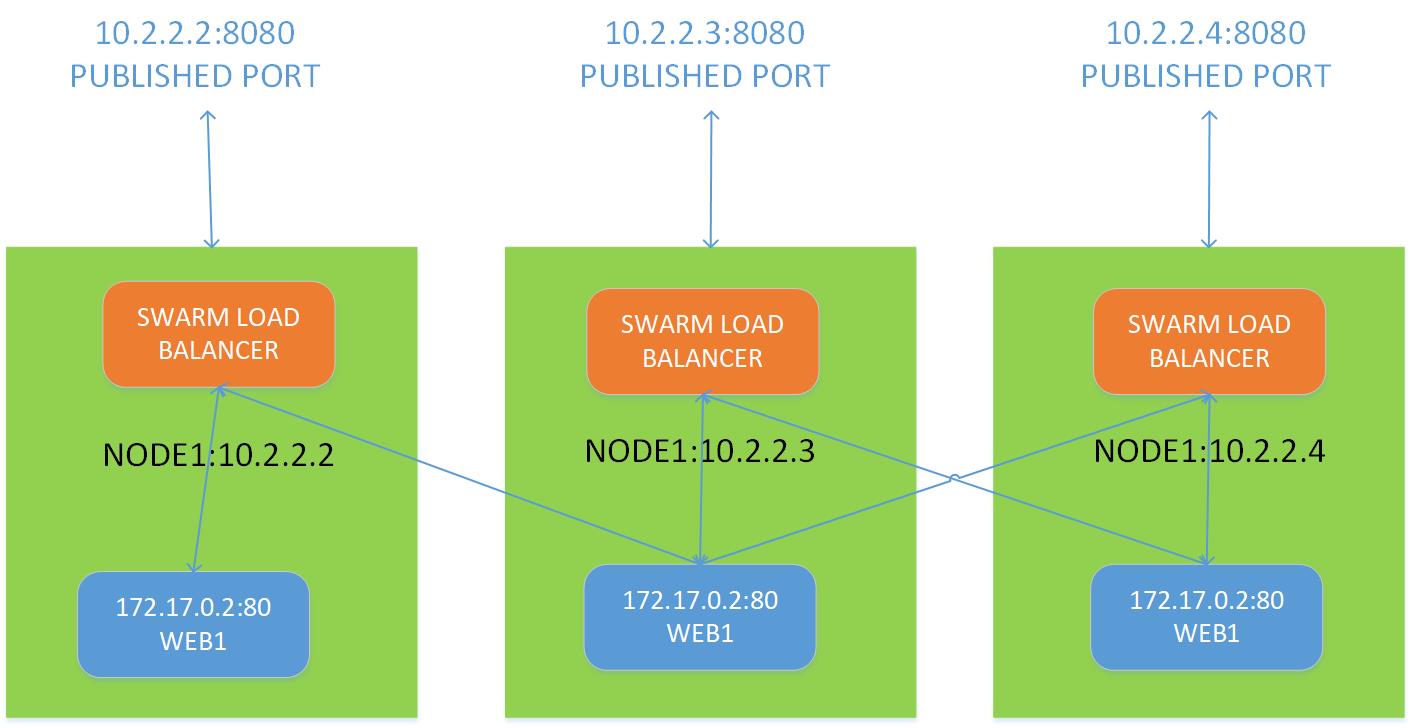
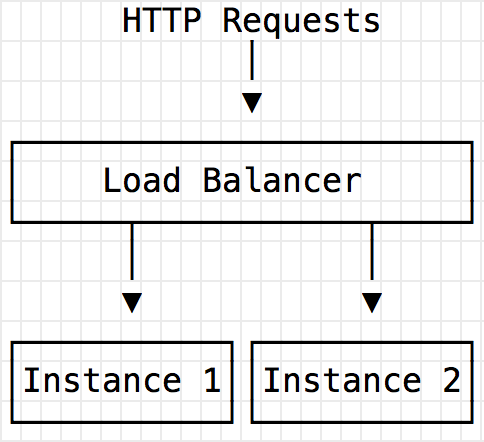
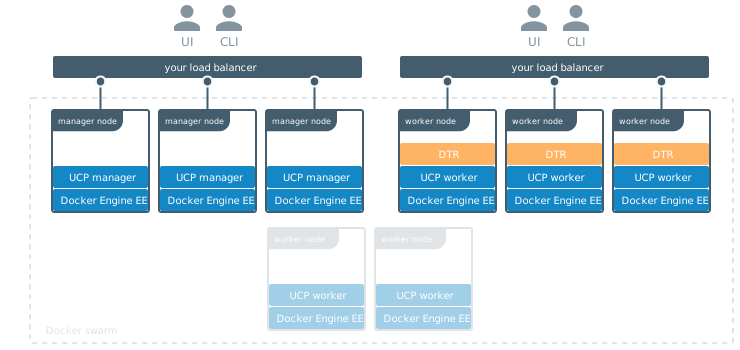
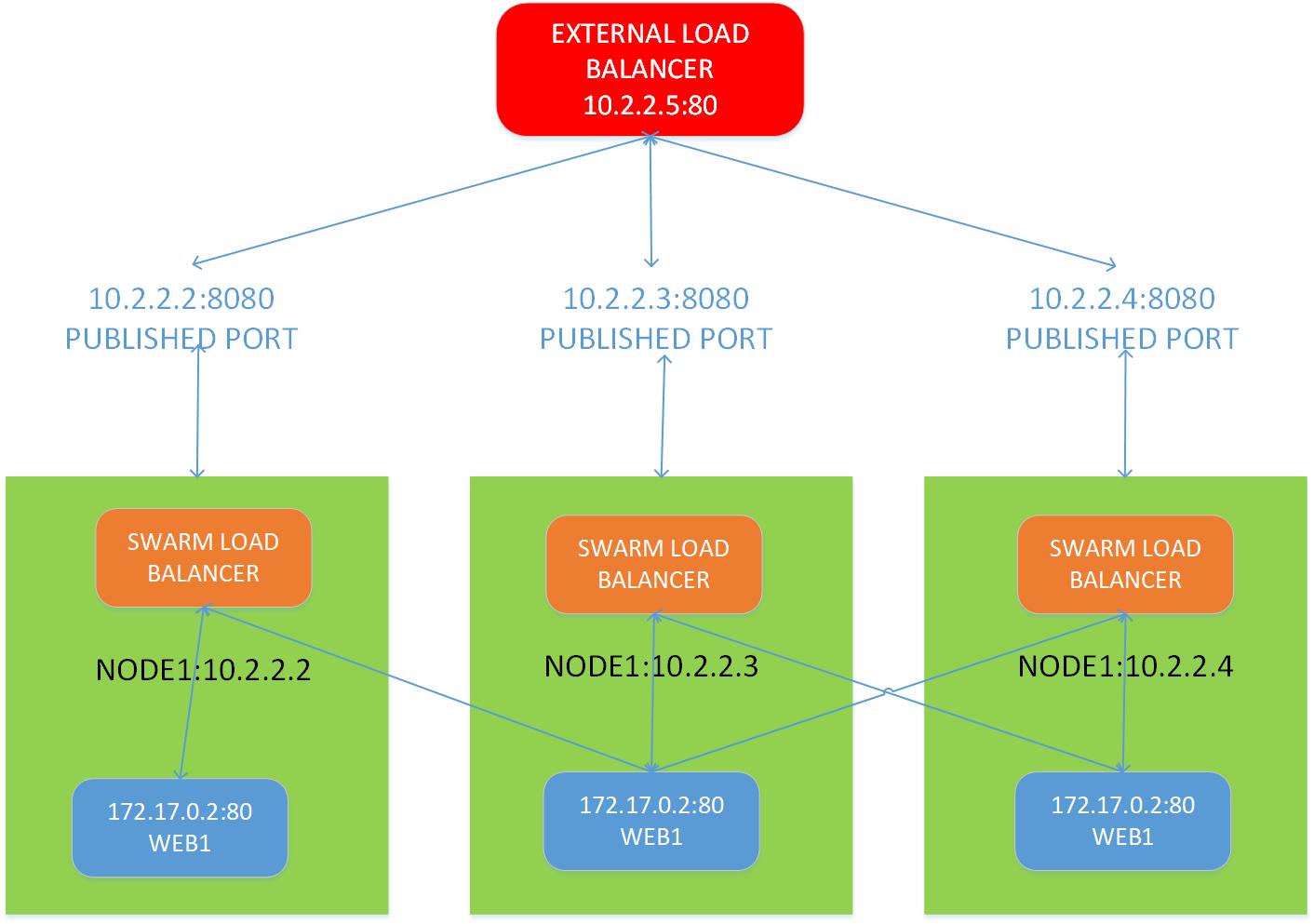
A load balancer outside of the Swarm provides a better way to connect to the containers without having to worry about the cluster nodes from an application perspective Thanks to the ingress routing all of the published services are available through any of the swarm nodes and the load balancer can be set to use the swarm private IP addresses.
Docker swarm aws load balancer. So, you have “redundancy” in the load balancer in your cluster You can easily have redundancy in your application using Docker Swarm And if you set your domain name DNS records correctly, adding the IP addresses of several of the machines in your cluster, you would then have roundrobin DNS load balancing for your application too. This is a bug report This is a feature request I searched existing issues before opening this one Expected behavior Using Docker Swarm on multiple virtual machines part of the same swarm, located on geographical distinct areas, using dif. Creates the infrastructure so you can run Docker Swarm in HA;.
I have a problem with the docker 112 swarm mode load balancing The setup has 3 hosts, Docker 112 on CentOS 7 running in Azure Nothing really special about the hosts Plain CentOS 7 setup, Docker 112 from the Docker yum repo and btrfs as a data disk for /var/lib/docker. This reference architecture covers the solutions that Docker Enterprise provides in the topic areas of service discovery and load balancing for swarm mode workloads In swarm mode, Docker uses DNS for service discovery as services are created, and different routing meshes are built into Docker to ensure your applications remain highly available. Course details Docker is the next step beyond virtualization When deployed with Amazon Web Services EC2 Container Service (AWS ECS), you have a solid foundation for monitoring and managing Docker.
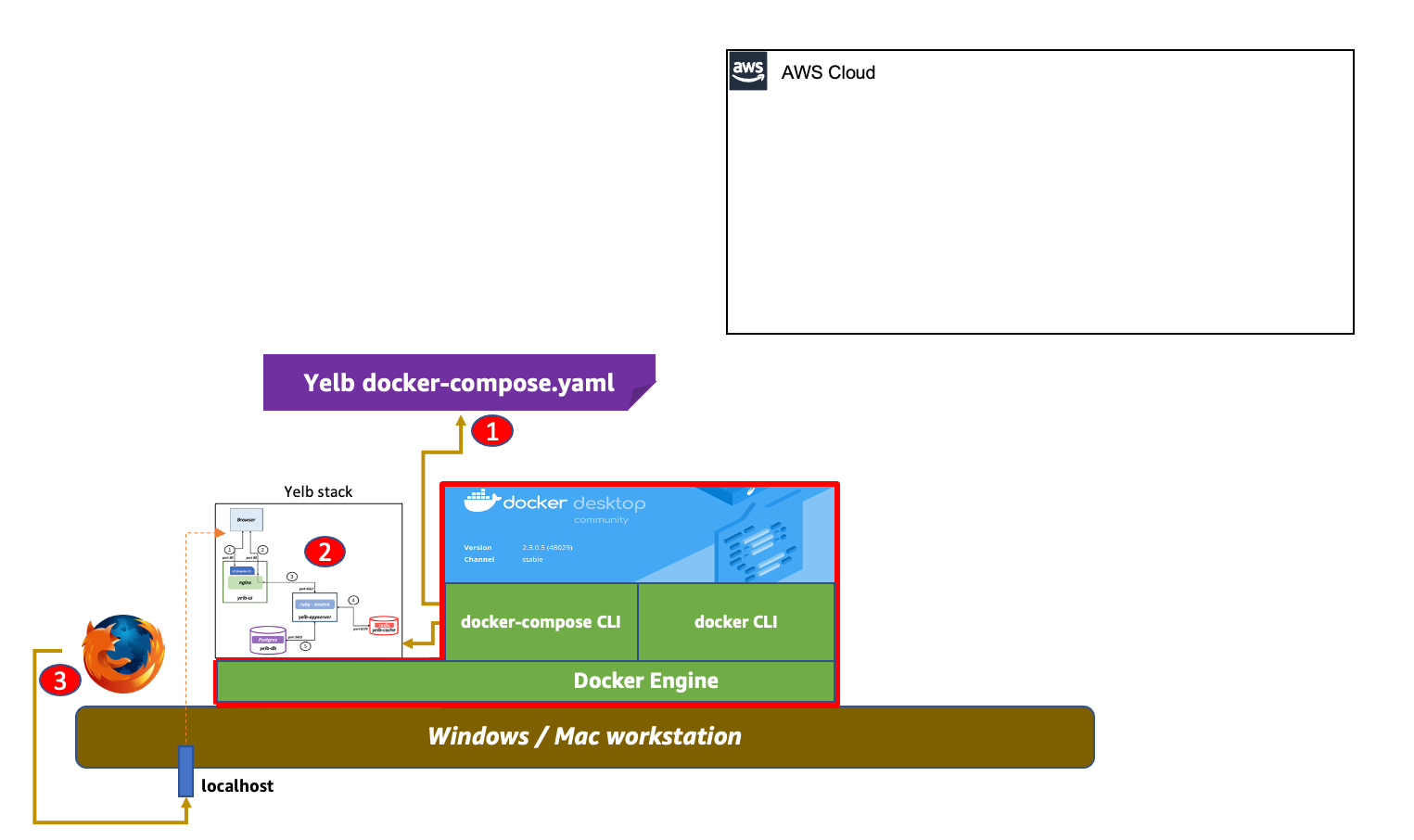
Docker SWARM, orchestration tools, and serverless are getting a lot of hype It does integrate with things like AWS load balancers and other load balancing tools And it has some limited service discovery capabilities But at the end of the day, it is not particularly aware of a cloud environment that its running in. Compose application whith HTTP services only (using ports 80/443 or xawsprotocol set to http) get an Application Load Balancer created, otherwise a Network Load Balancer is used A TargetGroup is created per service to dispatch traffic by load balancer to the matching containers. While Docker Swarm offers it’s own load balancing, you’ll find it makes sense to have NGINX as well because not every container can run on the host as port 80 We’re going to see how to create two service containers that are replicated across several nodes These services will be a simple Apache and NGINX web applications.
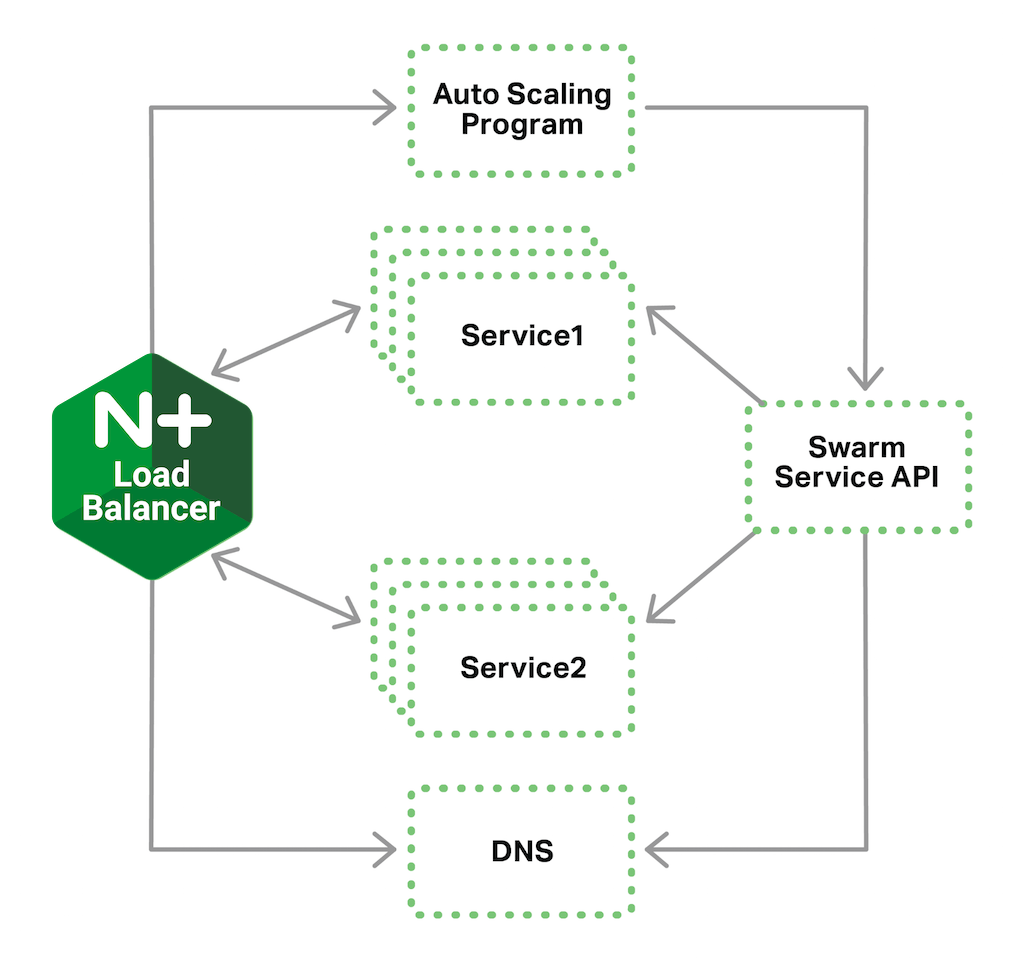
To create an ELB, open the EC2 Console (mouse over the “Services” menu at the top and click “EC2”), click the “Load Balancers” link in the bottom left, and click the blue “Create Load Balancer” button Create a Load Balancer Give the ELB a name such as ecsloadbalancer and take a look at the “Listener Configuration. Optimized Load Balancing & WAF for Docker Containers Docker provides many developer tools, including Swarm Docker’s open source container orchestration platform Like Kubernetes or Rancher, Swarm supports high availability and load balancing. In order to demonstrate the load balancer in action, two docker services will be deployed to the swarm cluster, and the NGINX server will be configured to load balance across the container instances that define those services The services will both be web services, hosting simple content that can be viewed via web browser.
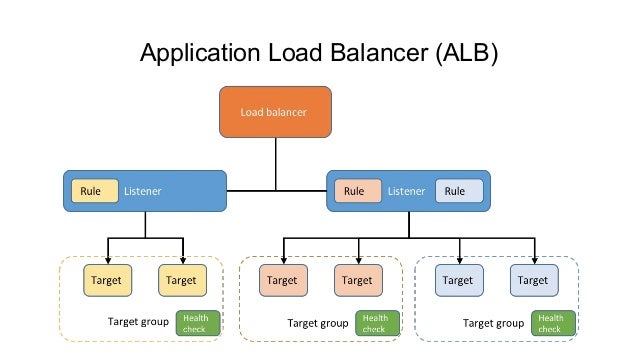
Amazon ECS services support the Application Load Balancer, Network Load Balancer, and Classic Load Balancer load balancer types Application Load Balancers are used to route HTTP/HTTPS (or layer 7) traffic Network Load Balancers are used to route TCP or UDP (or layer 4) traffic Classic Load Balancers are used to route TCP traffic. I created a load balancer using a base HAProxy docker image and its Round Robin load balancing algorithm to create a hello world web page that will display the container it is on, alternating the container each refresh!. Elastic Load Balancing supports the following types of load balancers Application Load Balancers, Network Load Balancers, and Classic Load Balancers Amazon ECS services can use either type of load balancer Application Load Balancers are used to route HTTP/HTTPS (or Layer 7) traffic Network Load Balancers and Classic Load Balancers are used to route TCP (or Layer 4) traffic.
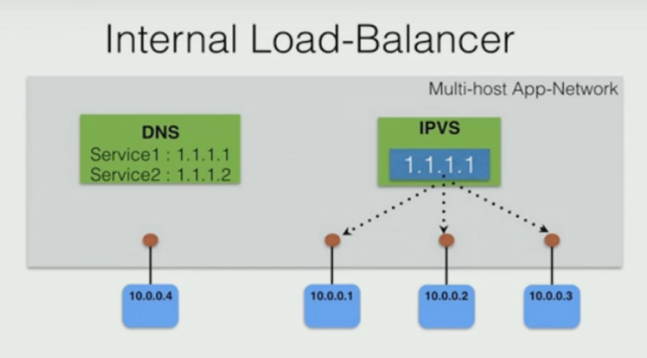
If enabled, the load balancer allows the connections to remain idle (no data is sent over the connection) for the specified duration By default, Elastic Load Balancing maintains a 60second idle connection timeout for both frontend and backend connections of your load balancer. So, you have “redundancy” in the load balancer in your cluster You can easily have redundancy in your application using Docker Swarm And if you set your domain name DNS records correctly, adding the IP addresses of several of the machines in your cluster, you would then have roundrobin DNS load balancing for your application too. Since Docker 112 (same version that integrated Swarm Mode to the Docker Engine), there is a feature called Routing Mesh, which uses IP Virtual Servers (ipvs) and iptables in order to load balance requests in layer 4.
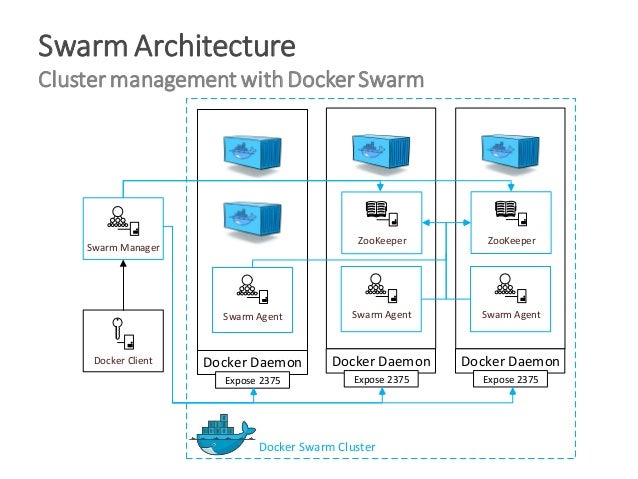
The swarm manager uses internal load balancing to distribute requests among services within the cluster based upon the DNS name of the service Deploying Docker Swarm on AWS In order to apply these concepts we are going to set up a Docker Swarm on AWS, running three AWS EC2 t2micro instances. Next, expose the Nginx web servers within the instance to port 80 so that the requests can be forwarded to it from the load balancer Set up the load balancer At this point, turn your attention to the loadbalancing frontend server This server could run on a Docker container, but in this tutorial, the instance is a standard VM. For this purpose, user can set xawspolicies or define a fine grained xawsrole IAM role document Service’s ports get mapped into security group’s IngressRule s and load balancer Listener s Compose application whith HTTP services only (using ports 80/443 or xawsprotocol set to http ) get an Application Load Balancer created, otherwise.
In the first part — Kubernetes part 1 — architecture and main components overview — we did a quick glance about Kubernetes The third part — Kubernetes part 3 — AWS EKS overview and manual EKS cluster set up The next thing I’d like to play with is to manually create a cluster using kubeadm, run a simple webservice there and access it via AWS LoadBalancer. Summary The Docker Swarm mode allows an easy and fast load balancing setup with minimal configuration Even though the swarm itself already performs a level of load balancing with the ingress mesh, having an external load balancer makes the setup simple to expand upon. This is a lab project used to demonstrate load balancing using docker Steps for this solution.
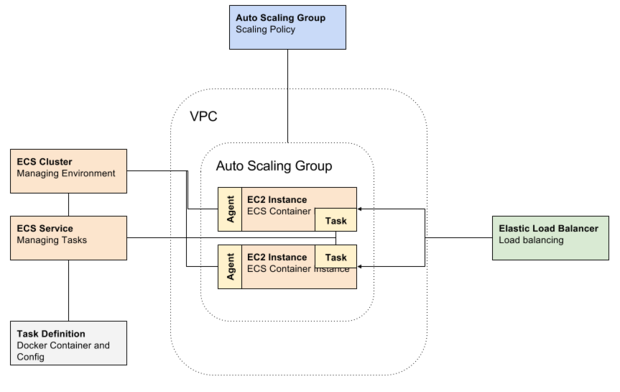
Docker Swarm is fighting back against Kubernetes for the lead in the popularity race by making strides in performance, flexibility, and simplicity to gain renewed adoption Amazon Elastic Container Service (ECS) is Amazon’s proprietary container scheduler and designed to work in harmony with other AWS services. Here all traffic enters the AWS load balancer which knows about both of the Docker hosts and distributes traffic to both of them Docker expands a mesh network across all nodes in the same service stack. Moreover, as of Docker 111, if you give multiple containers the same alias, Docker’s DNS server will return the IP addresses of all of them and facilitate loadbalancing by alternating the IP.
Since release 112, Docker, with the integration of Docker Engine and Docker Swarm, Swarm Mode supports multihost container orchestration, which simplifies. AWS is in the process of replacing ELBs with NLBs (Network Load Balancers) and ALBs (Application Load Balancers) NLBs have a number of benefits over “classic” ELBs including scaling to many more requests Alpha support for NLBs was added in Kubernetes 19. I have a problem with the docker 112 swarm mode load balancing The setup has 3 hosts, Docker 112 on CentOS 7 running in Azure Nothing really special about the hosts Plain CentOS 7 setup, Docker 112 from the Docker yum repo and btrfs as a data disk for /var/lib/docker.
With our Swarm is up and running, let’s get a service deployed to see how the scheduling works To start a service on the Swarm go back to any manager machine Let’s start an nginx service, called webserver, with the command docker service create p 8080 name webserver nginx Docker will now pull the latest nginx image and start one. Return values Ref When you pass the logical ID of this resource to the intrinsic Ref function, Ref returns the name of the load balancer For more information about using the Ref function, see Ref FnGetAtt The FnGetAtt intrinsic function returns a value for a specified attribute of this type The following are the available attributes and sample return values. Failed to find a load balancer IP to use for network Resolution If they do not, remove the problem nodes from the swarm, upgrade the engine, rejoin them, and retry your original command Display and verify the engine server version docker version Docker for AWS;.
Elastic Load Balancing supports the following types of load balancers Application Load Balancers, Network Load Balancers, and Classic Load Balancers Amazon ECS services can use either type of load balancer Application Load Balancers are used to route HTTP/HTTPS (or Layer 7) traffic Network Load Balancers and Classic Load Balancers are used to route TCP (or Layer 4) traffic. With IPVS routing packets inside the kernel, swarm’s routing mesh delivers high performance containeraware loadbalancingDocker Swarm Mode includes a Routing Mesh that enables multihost networking It allows containers on two different hosts to communicate as if they are on the same host. Experience is that the Ubuntu DNS resolver failed to resolve external addresses when the swarm range overlapped with the external ‘real world’ network of the VPC To specify a smaller pool for swarm, in this case (a subset of my VPC network) , I used docker swarm init defaultaddrpool /18 to start my swarm.
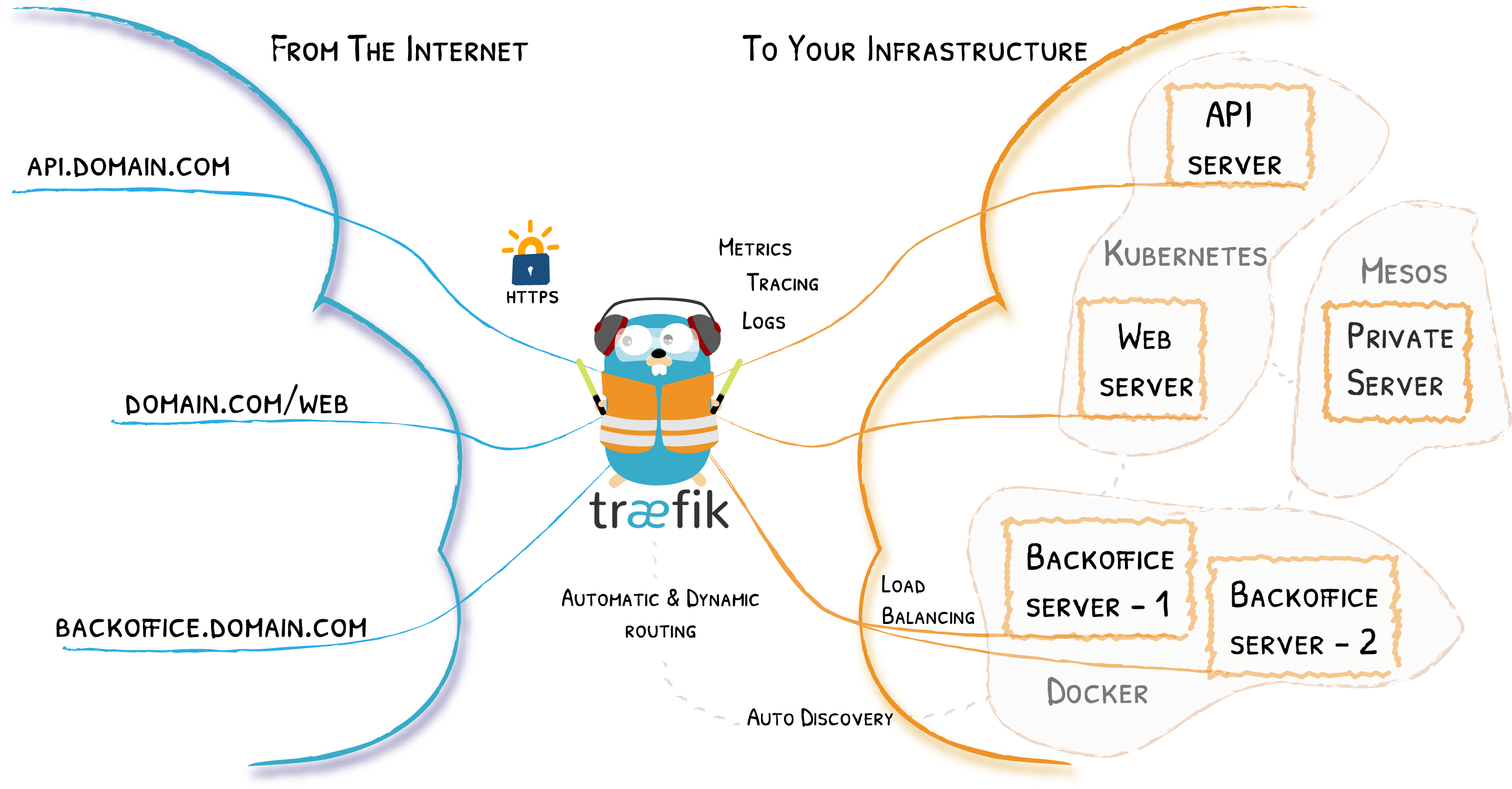
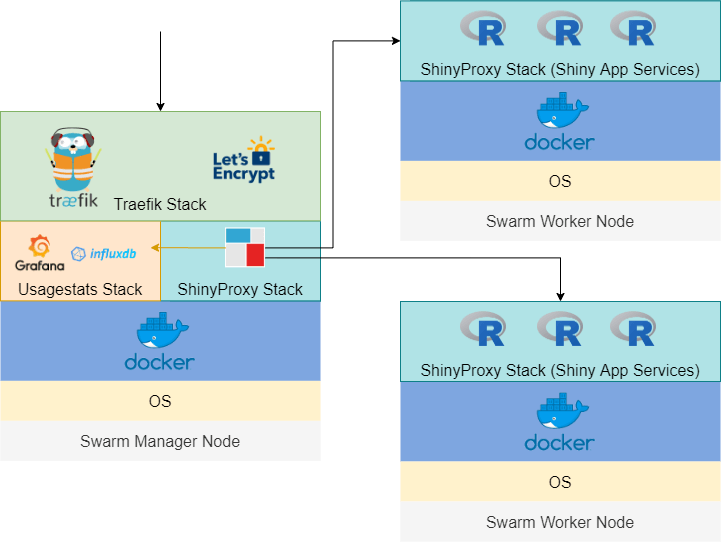
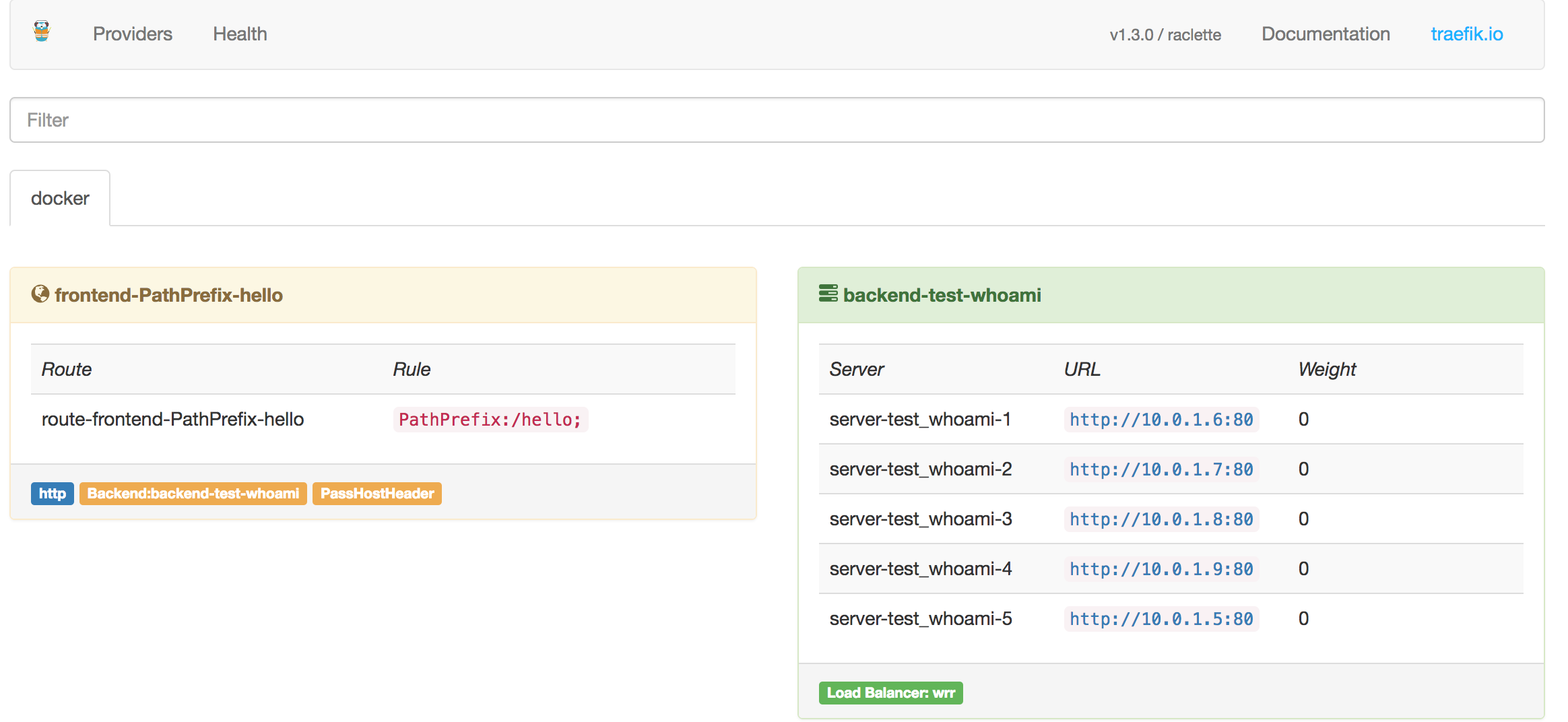
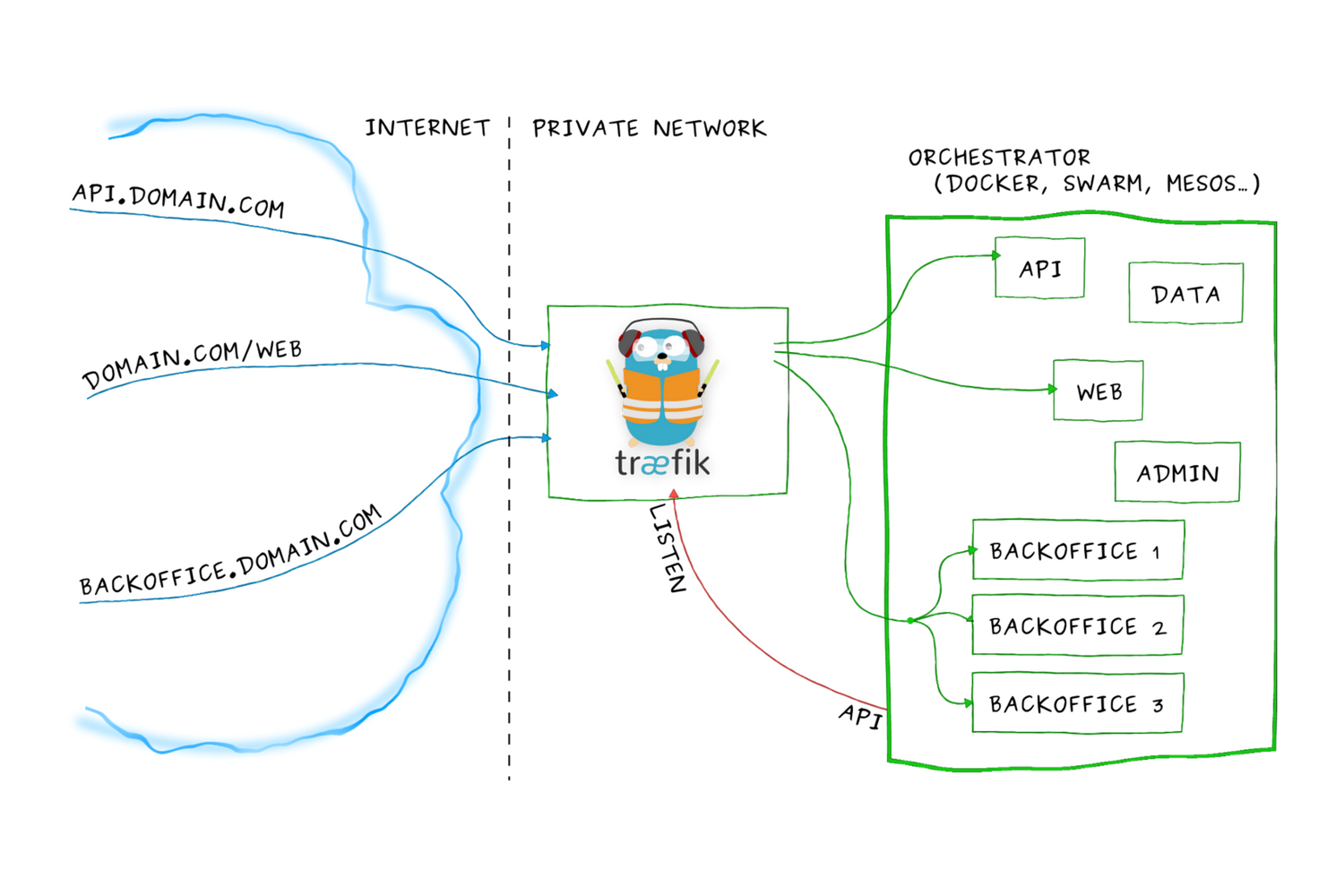
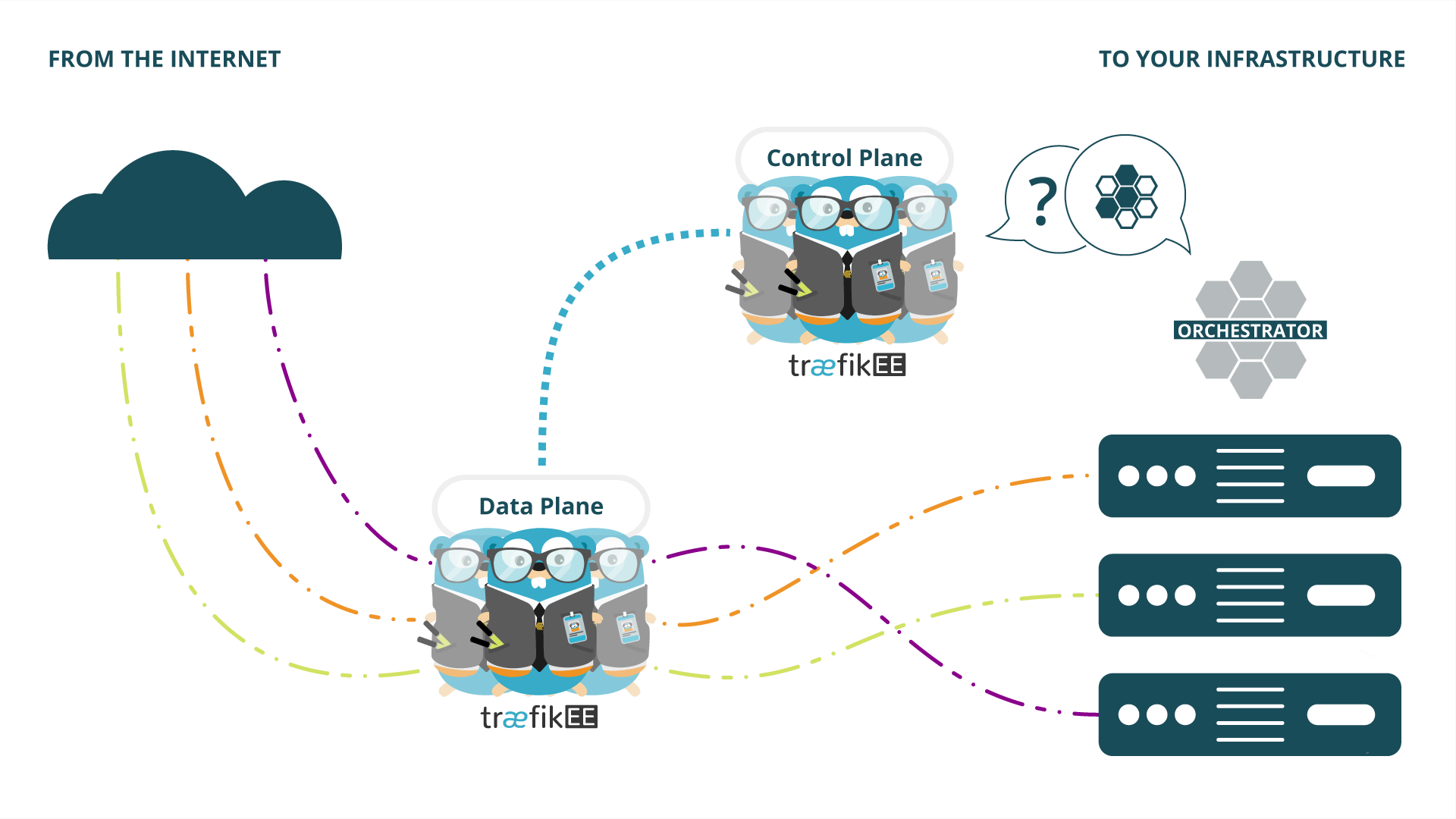
Elastic Load Balancing supports the following types of load balancers Application Load Balancers, Network Load Balancers, and Classic Load Balancers Amazon ECS services can use either type of load balancer Application Load Balancers are used to route HTTP/HTTPS (or Layer 7) traffic Network Load Balancers and Classic Load Balancers are used to route TCP (or Layer 4) traffic. Docker Swarm Mode on AWS Docker Swarm Mode is the latest entrant in a large field of container orchestration systems Docker Swarm was originally released as a standalone product that ran master and agent containers on a cluster of servers to orchestrate the deployment of containers This changed with the release of Docker 112 in July of 16. The infrastructure is a Docker Swarm cluster with manager and worker nodes Traefik runs on the manager nodes, and, in front of, we have a load balancer from our favorite cloud provider or inhouse The load balancer job is to route TCP traffic on port 80, 443 and 8080 to Traefik.
Gateway Load Balancer uses Gateway Load Balancer Endpoint (GWLBE), a new type of VPC Endpoint powered by AWS PrivateLink technology that simplifies how applications can securely exchange traffic with GWLB across VPC boundaries GWLBE is priced and billed separately (learn more). Amazon Elastic Container Service (Amazon ECS) is the Amazon Web Service you use to run Docker applications on a scalable cluster In this tutorial, you will learn how to run a Dockerenabled sample application on an Amazon ECS cluster behind a load balancer, test the sample application, and delete your resources to avoid charges. They will help you set up and deploy a HighAvailability Docker stack so you can easily install Docker Swarm on AWS You can have a Dockerready environment in minutes by launching each stack in.
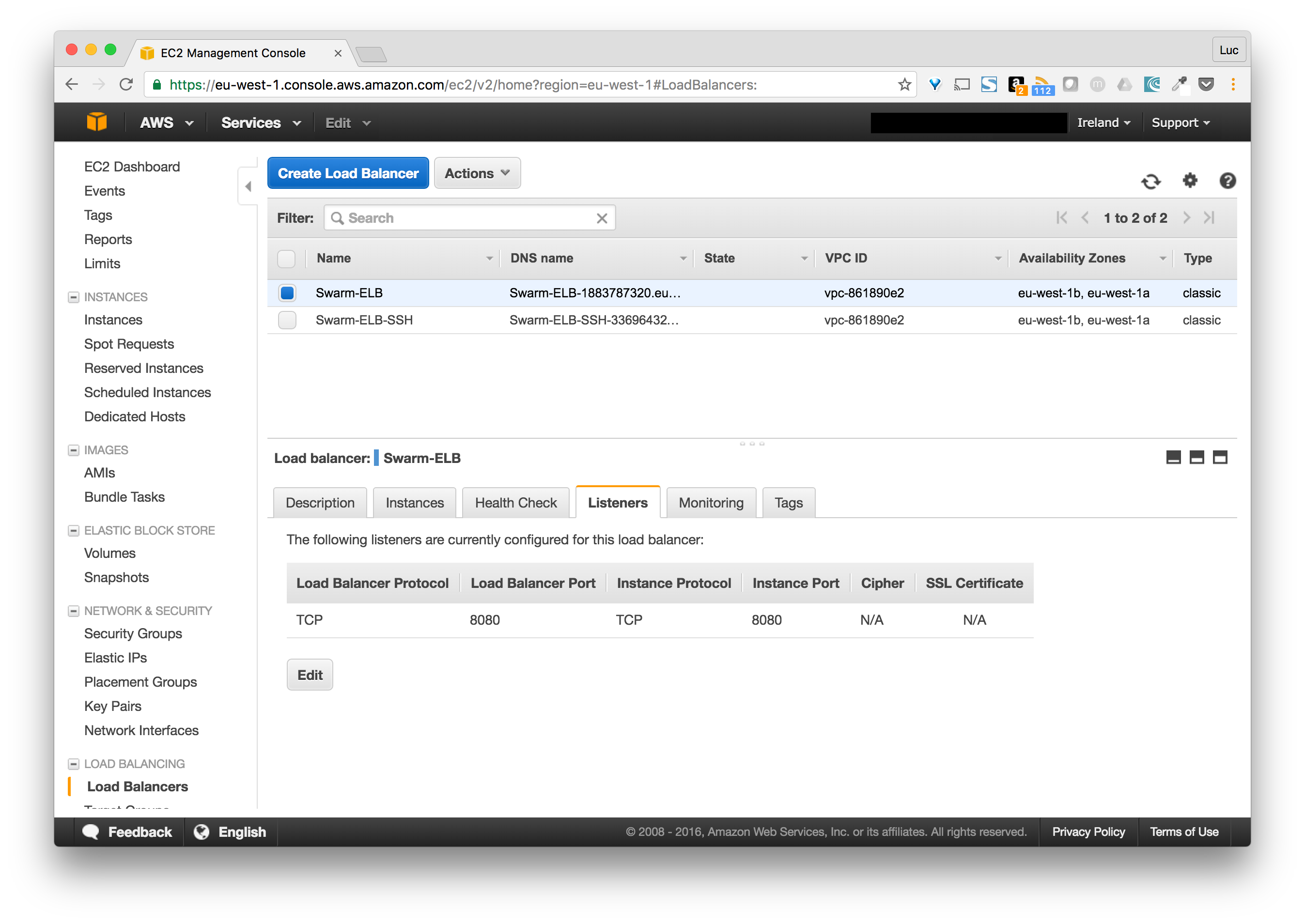
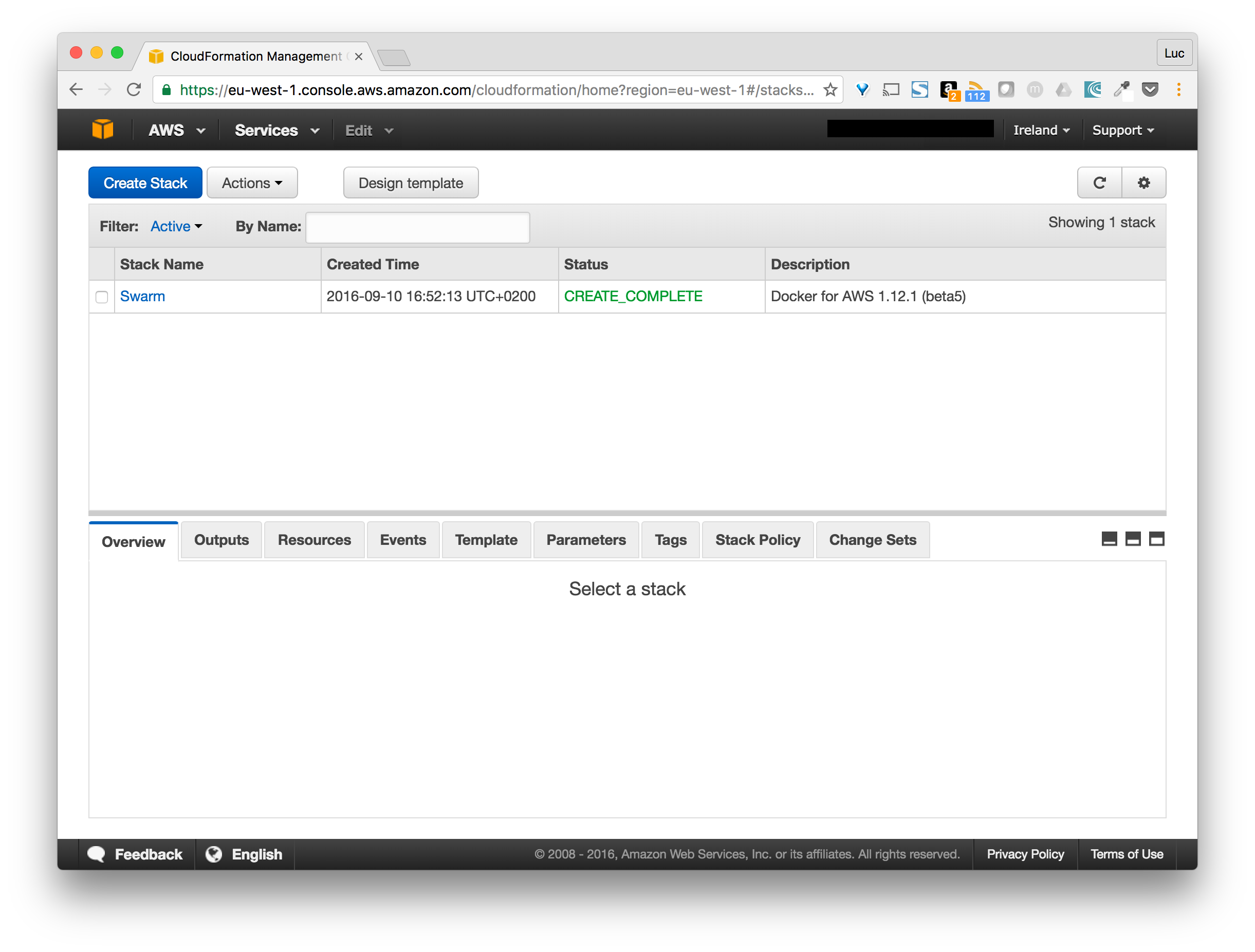
Since Docker 112 (same version that integrated Swarm Mode to the Docker Engine), there is a feature called Routing Mesh, which uses IP Virtual Servers (ipvs) and iptables in order to load balance requests in layer 4 Basically, ipvs implements layer 4 load balancing functionalities on the Linux Kernel, which allows to redirect requests for TCP. I previously wrote about Traefik (Docker on Azure, how to build your own Swarm cluster), but I would like to explain how I made my Traefik cluster on Docker SwarmInfrastructure The infrastructure is a Docker Swarm cluster with manager and worker nodes Traefik runs on the manager nodes, and, in front of, we have a load balancer from our favorite cloud provider or inhouse. A couple of days ago, I animated Docker Nice Meetup and did a demo of Docker for AWS Part of this demo was to highlight the importance of the AWS ELB (Elastic Load Balancer) and to provide details.
There are lots of platform which is used for load balancing like haproxy But you can use dns server if you want to implement load balancing in docker For that you have launch all your container in a same network And create one alias as follows $ docker run it name web networkalias site network bridge centoslatest $ curl site. Amazon Elastic Container Service (Amazon ECS) is the Amazon Web Service you use to run Docker applications on a scalable cluster In this tutorial, you will learn how to run a Dockerenabled sample application on an Amazon ECS cluster behind a load balancer, test the sample application, and delete your resources to avoid charges. The infrastructure is a Docker Swarm cluster with manager and worker nodes Traefik runs on the manager nodes, and, in front of, we have a load balancer from our favorite cloud provider or inhouse The load balancer job is to route TCP traffic on port 80, 443 and 8080 to Traefik.
Træfik (pronounced like traffic) is a modern HTTP reverse proxy and load balancer made to deploy microservices with ease It supports several backends (Docker, Swarm mode, Kubernetes, Marathon. To specify a smaller pool for swarm, in this case (a subset of my VPC network) , I used docker swarm init defaultaddrpool /18 to start my swarm Our consul data is persisted, as not all of it is easily recreated (ie our issued certificates). Course details Docker is the next step beyond virtualization When deployed with Amazon Web Services EC2 Container Service (AWS ECS), you have a solid foundation for monitoring and managing Docker.
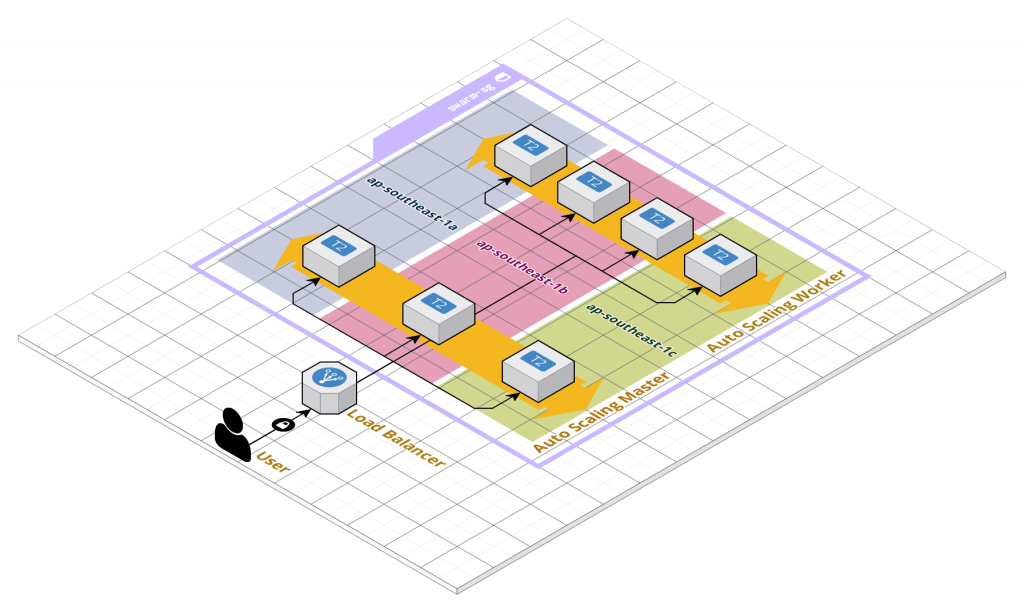
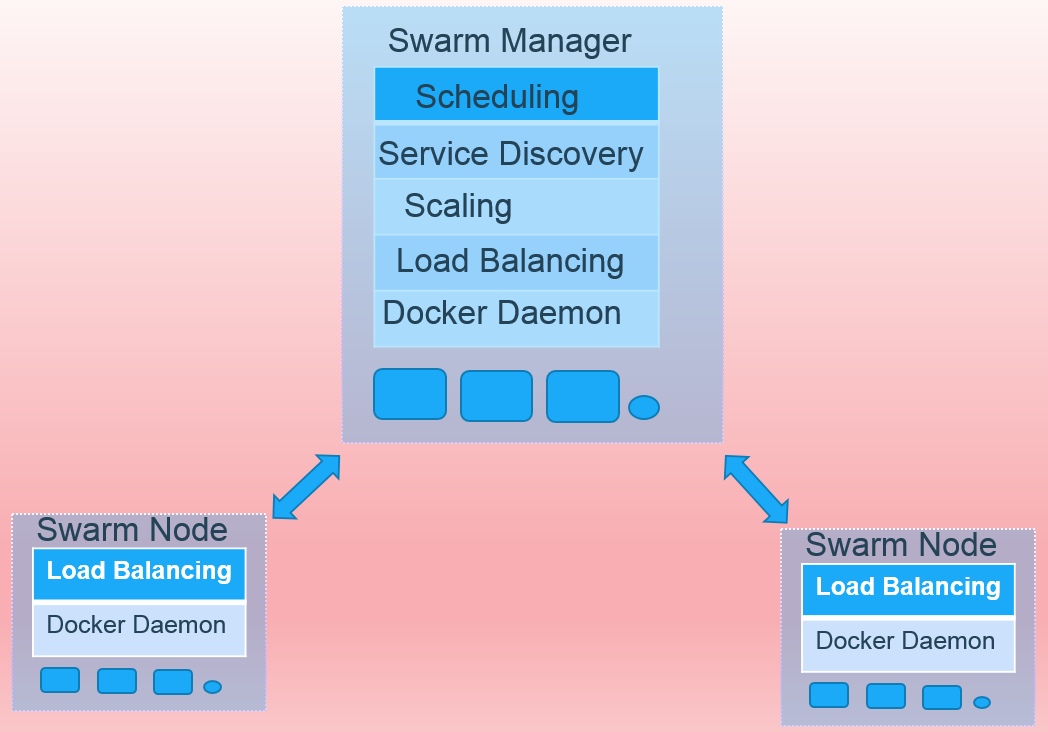
Includes two autoscaling groups containing EC2 instances and a master load balancer Topics cloudformation, high availability. The Docker Swarm load balancer runs on every node and can load balance requests across any of the containers on any of the hosts in the cluster. AWS AWS Application Load Balancer (ALB) and ECS with Flask app AWS Load Balancing with HAProxy (High Availability Proxy) AWS VirtualBox on EC2 AWS NTP setup on EC2 AWS AWS & OpenSSL Creating / Installing a Server SSL Certificate AWS OpenVPN Access Server 2 Install.
Deploying Secure and Scalable Streamlit Apps on AWS with Docker Swarm, Traefik and Keycloak = Previous post we want the load balancer to work and deploy the replicas of the app service to the new workers I actually prefer to set it up to only deploy on worker nodes and let the manager node to handle just the Traefik stack In this way, we. Docker Swarm actually has load balancing in swarm mode with replicas However, it uses DNS roundrobin which is why a HAProxy is usually suggested as a better option With DNS roundrobin if a client or server attempts to connect to a failed docker host, they have to retry against another DNS entry. Deploying Secure and Scalable Streamlit Apps on AWS with Docker Swarm, Traefik and Keycloak = Previous post we want the load balancer to work and deploy the replicas of the app service to the new workers I actually prefer to set it up to only deploy on worker nodes and let the manager node to handle just the Traefik stack In this way, we.
Since Docker 112 (same version that integrated Swarm Mode to the Docker Engine), there is a feature called Routing Mesh, which uses IP Virtual Servers (ipvs) and iptables in order to load balance requests in layer 4. ~ dockermachine ls NAME ACTIVE DRIVER STATE URL SWARM DOCKER ERRORS localswarmmanager virtualbox Running tcp// v1125 localswarmworker1 virtualbox Running tcp// v1125 localswarmworker2 virtualbox Running tcp// v1125 localswarmworker3 virtualbox Running tcp// v1125 ~ dockermachine ssh local. Use HAProxy to add routing, load balancing, and DNS service discovery to Docker Swarm Docker Swarm lets you expand beyond hosting Docker containers on a single machine It oversees a cluster of servers and manages which to deploy a container to, depending on each server’s capacity Swarm is controlled through the familiar Docker CLI.
A load balancer outside of the Swarm provides a better way to connect to the containers without having to worry about the cluster nodes from an application perspective. Docker Swarm Load Balancer (AWS EC2 Cluster) 13 minute read In this project, we will be going through a complete guide on deploying a Docker Swarm load balancer on a multinode Amazon EC2 cluster This objective is achieved using various tasks that can be deployed using Docker’s commandline interface or python SDK API’s. Docker Swarm with Load Balancing and Scaling ¶ Create a Swarm Cluster ¶ Reference Swarm Mode Create a Docker Swarm Cluster to create a swarm cluster which has four node (one manger node and three worker node).

Container Wars Kubernetes Vs Docker Swarm Vs Amazon Ecs Caylent

Load Balancing Overlays And Scheduling Mastering Docker Third Edition
Traefik
Deliver Docker Containers Continuously On Aws

Deploy And Scale An Application On Aws With Docker Swarm Youtube
Github Docker Archive Swarm Microservice Demo V1 Swarm Web App Demo Cluster Voting App

Docker Enterprise Edition Ee On Aws Quick Start

Installing Docker Swarm On Aws Docker Swarm On Aws Austral Tech
Clustering With Docker Swarm Infoworld
Docker For Aws Zoom On Elb A Couple Of Days Ago I Animated Docker By Luc Juggery Lucjuggery Medium

Unable To Access Rest Service Deployed In Docker Swarm In Aws Stack Overflow
Q Tbn And9gcsbudlcyjqcd Ekm8gucemd3qfelsdgaxyir1sdze24pe1c8belomschuhuxqnoxcmngwfz2wphaqilv Kwg9nx Gweha Usqp Cau Ec

Creating A Docker Overlay Network Dzone Cloud

Microservice With Docker Swarm And Consul Part 2 Nguyen Sy Thanh Son
What Is Routing Mesh Under Docker Swarm Mode Edureka Community

Eng Terraform Ansible Docker Swarm Microservices On Aws The Bug Or The Bat

Docker On Azure How To Build Your Own Swarm Cluster
Creating An Ha Docker Swarm Over Aws
Docker For Aws Zoom On Elb A Couple Of Days Ago I Animated Docker By Luc Juggery Lucjuggery Medium
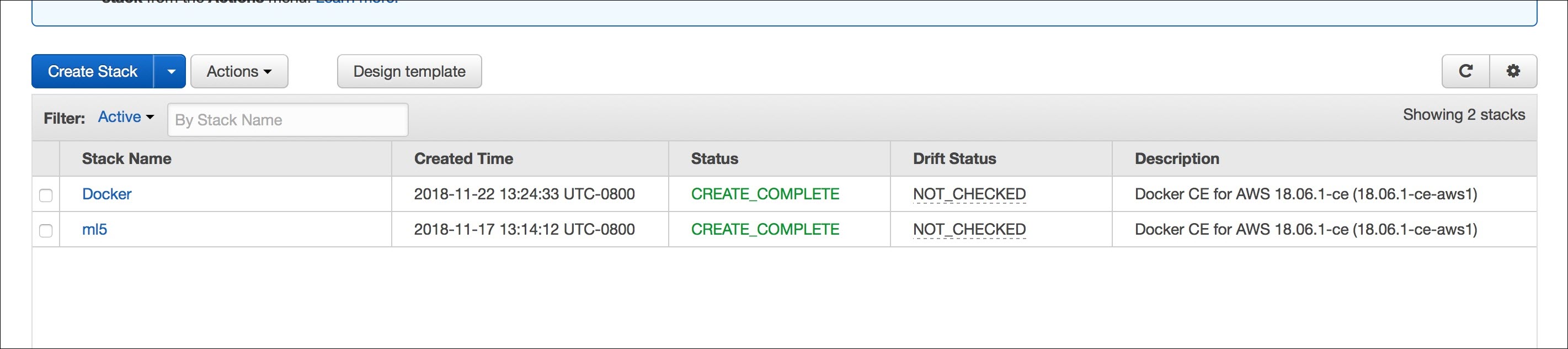
Creating A Swarm Cluster In Aws
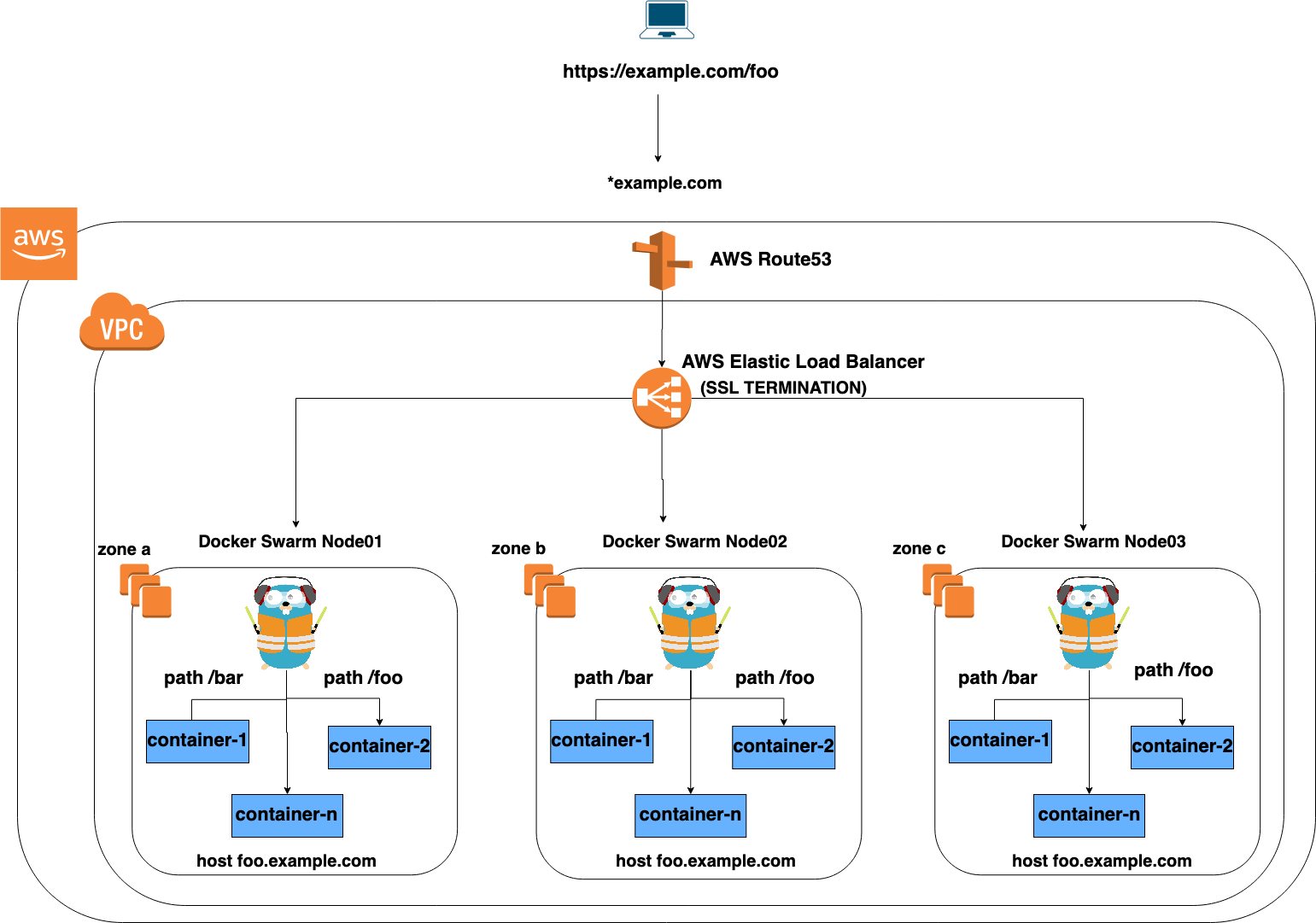
How To Use Traefik As Ingress Router On Aws By Enginaltay Dec Medium

Kubernetes V S Docker Swarm Aws Cost Optimization Devops Transformation

Docker Swarm Binary Maps
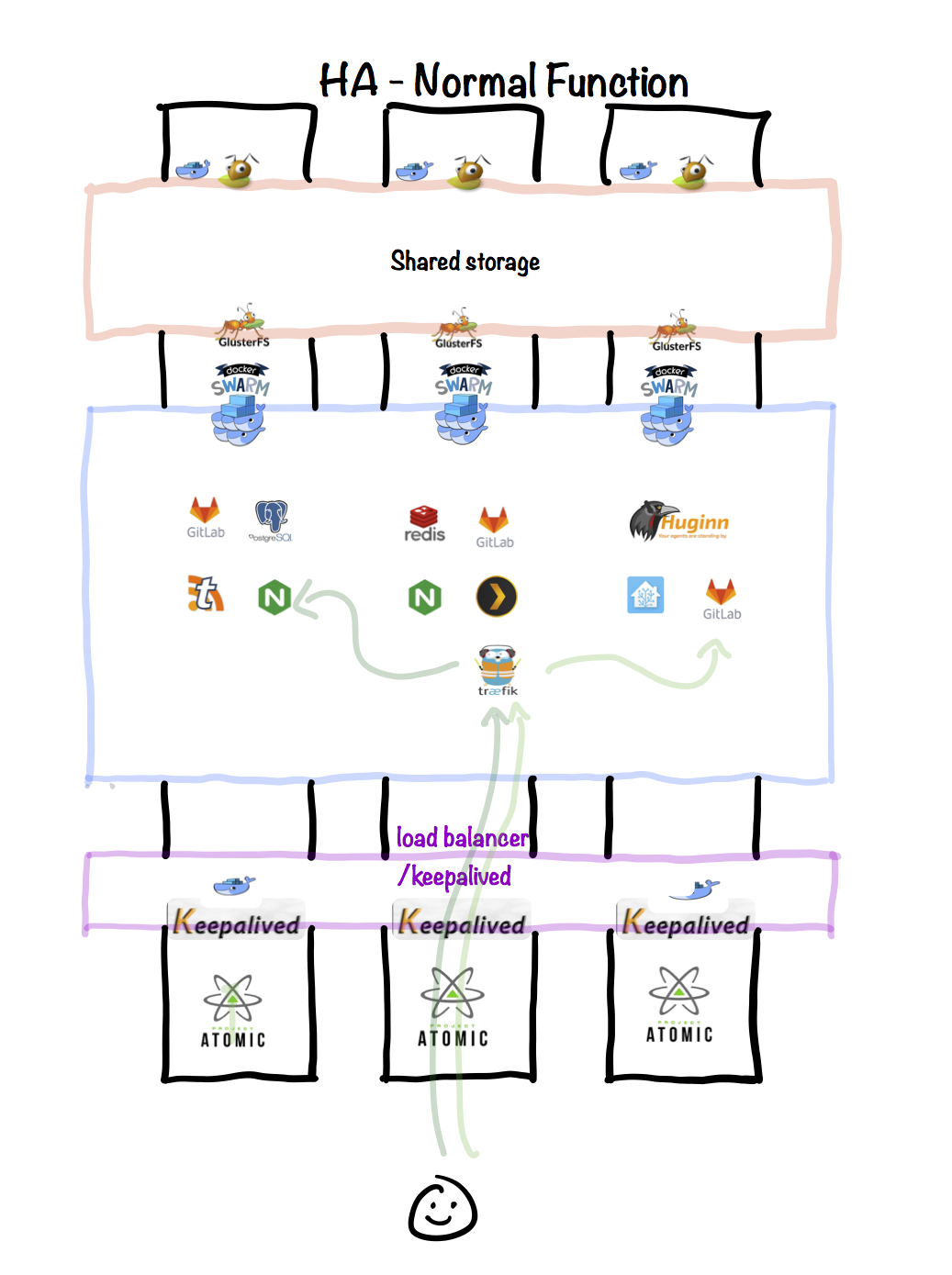
Read Funky Penguin S Geek S Cookbook Leanpub
Installing Docker Swarm On Aws Docker Swarm On Aws Austral Tech
1

Load Balancing Containers With Docker Swarm And Nginx Or Nginx Plus

Aws Elastic Load Balancing Elb Vs Docker Swarm What Are The Differences
Q Tbn And9gcqk8kksapdh48asny7myffswkaucixjk9rds0klall X1ezmwqyawbwo9lndsuokd7dn81kr09elex Dkshtqdpibnu7a Usqp Cau Ec

Manage Your Cluster Using Docker Swarm Mode Cloud Academy
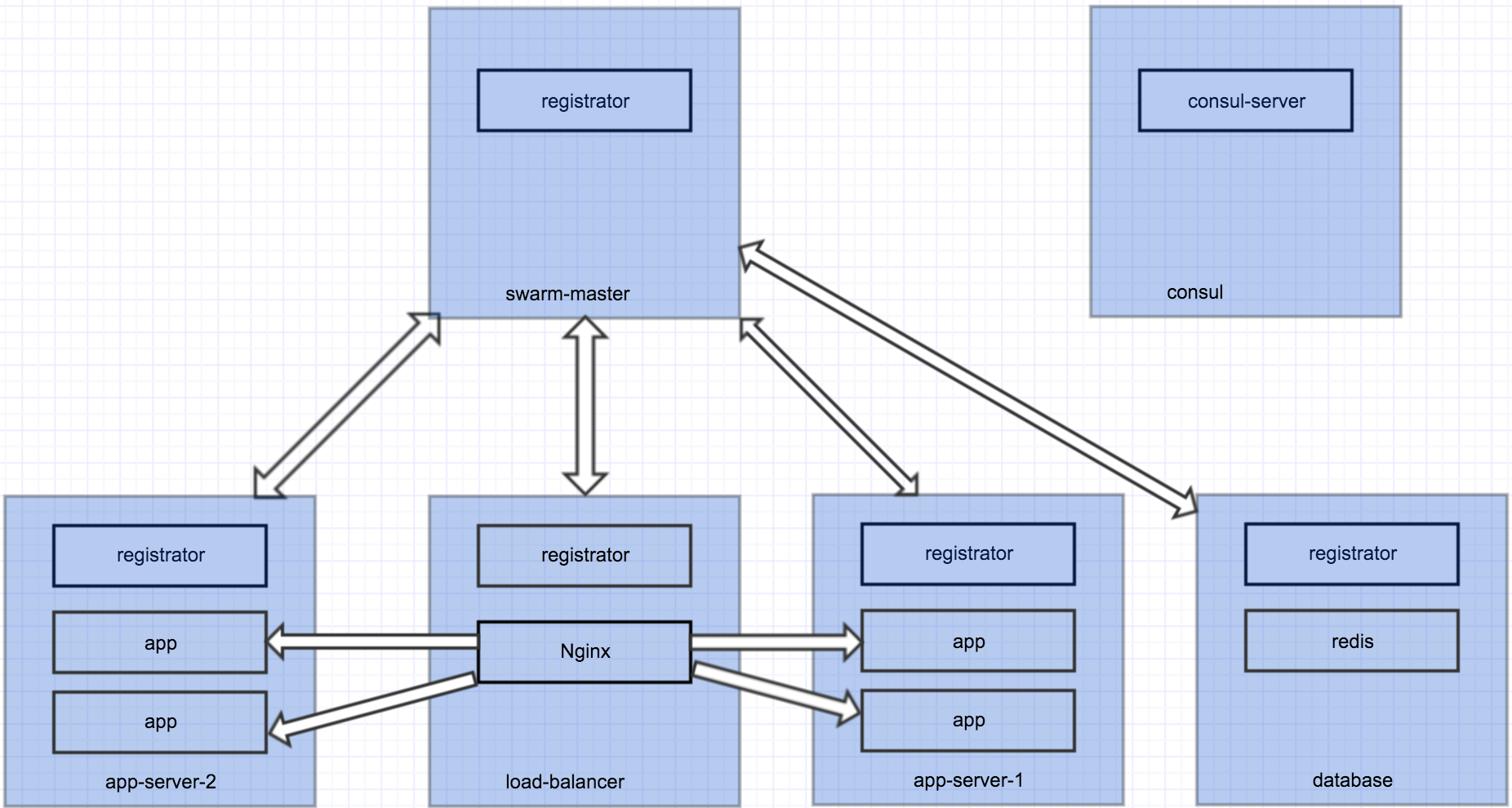
Orchestrating Docker With Swarm Machine Compose And Consul

Load Balancing Overlays And Scheduling Mastering Docker Second Edition
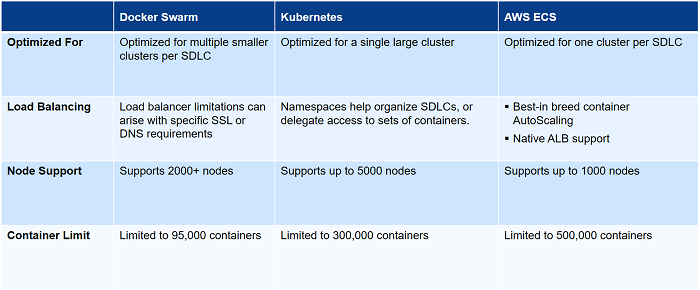
Webinar Docker Swarm Vs Kubernetes Vs Aws Ecs Vs Serverless

Docker Swarm Mode And Traefik For An Cluster By Sebastian Ramirez Medium
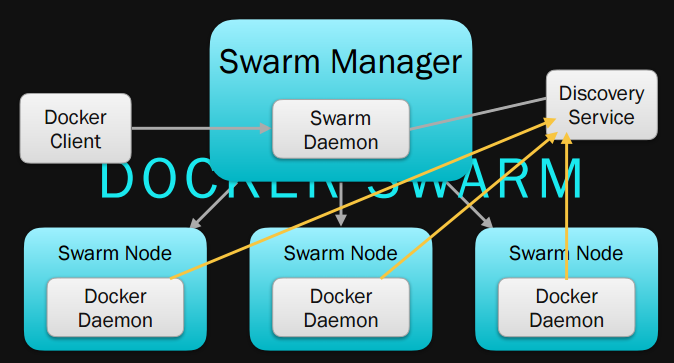
Container Orchestration Docker Swarm Vs Kubernetes Vs Apache Mesos
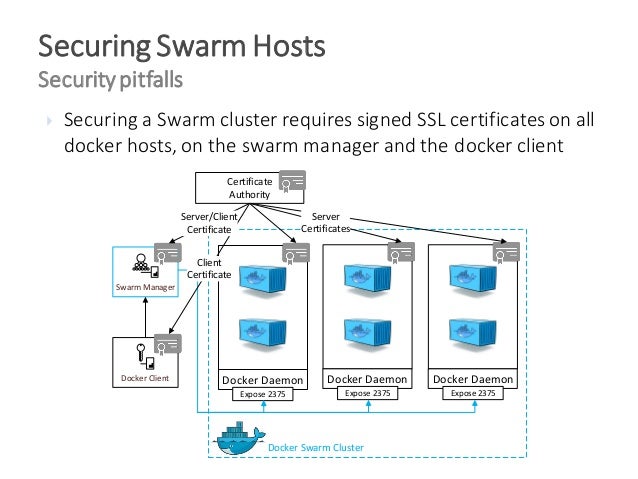
Building A Global Scale Multi Tenant Cloud Platform On Aws And Docker
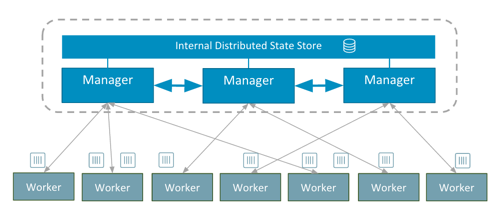
Docker 1 12 Now With Built In Orchestration Docker Blog
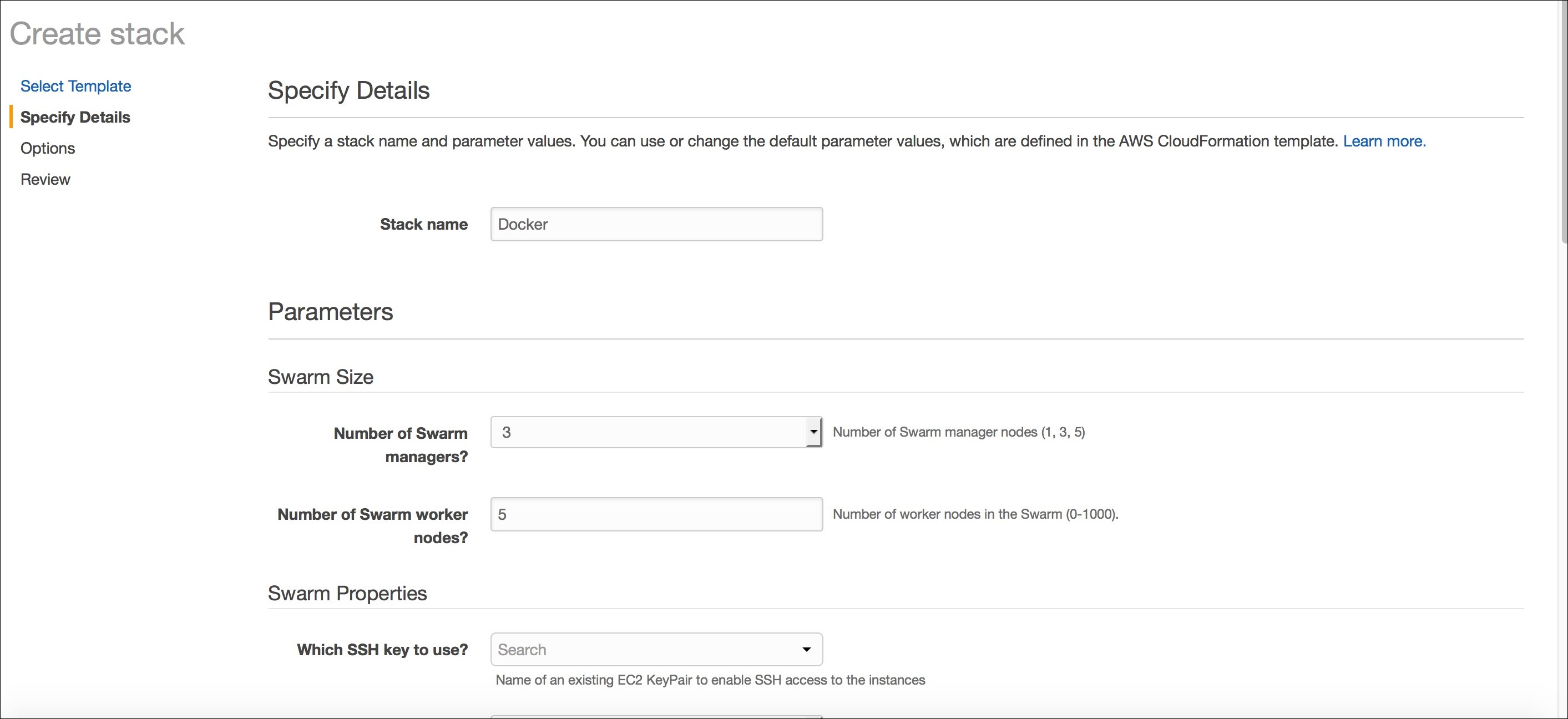
Creating A Swarm Cluster In Aws

Creating A High Availability Docker Swarm On Amazon Web Services Caylent
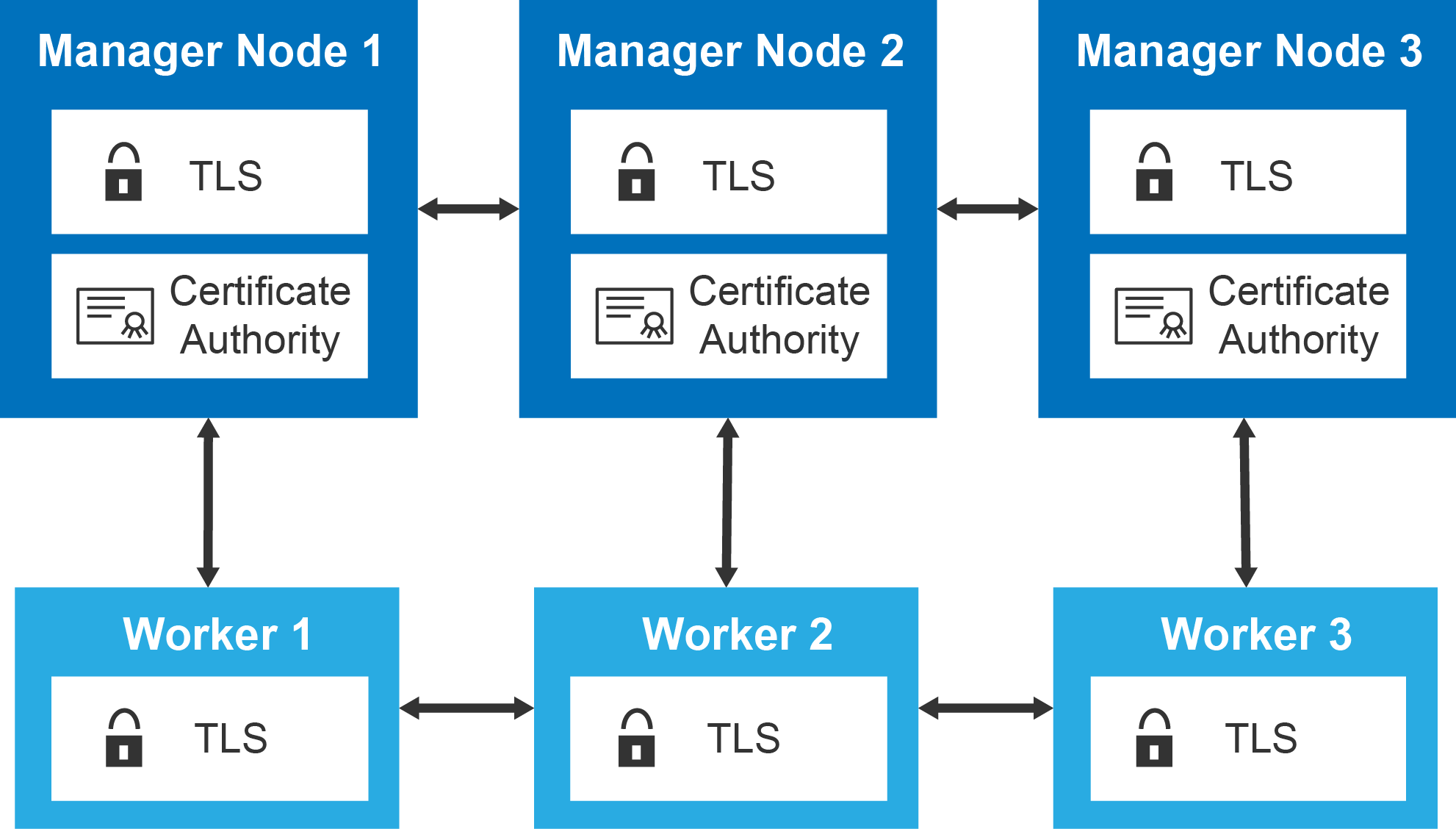
How To Get Started With Docker Swarm Orchestration Tutorial Upcloud

Use Swarm Mode Routing Mesh Docker Documentation
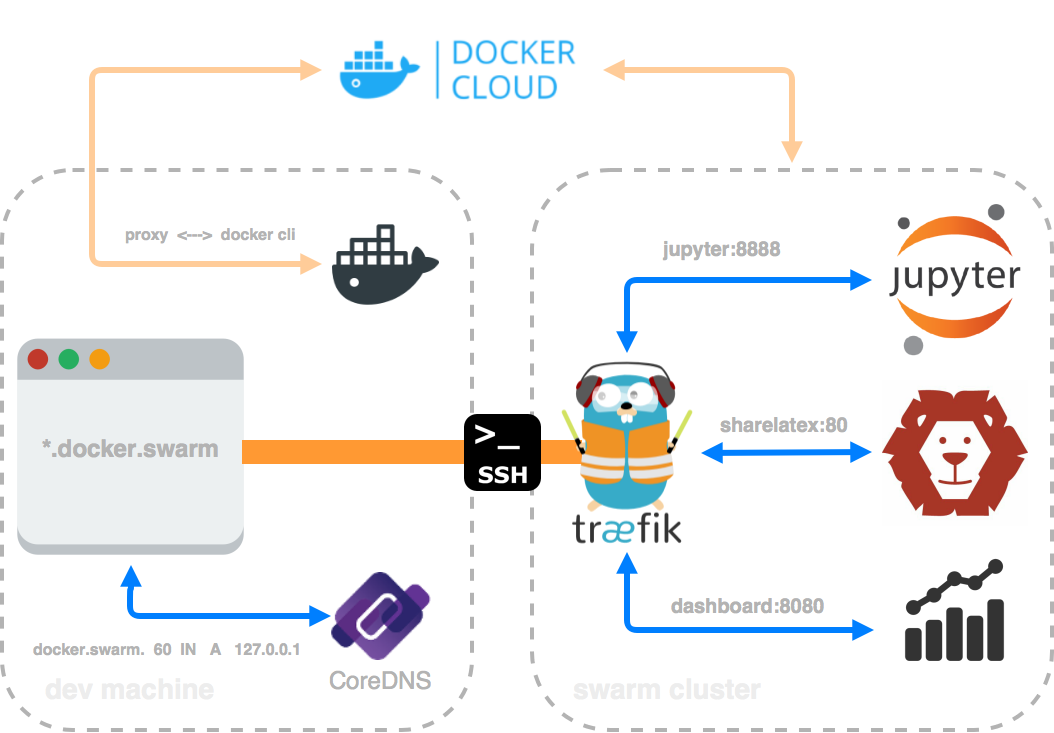
Setup A Local Devenv With Coredns Ssh And Docker Swarm Dk Blog

Administering Two Or More Docker Swarm Clusters With Portainer By Marcelo Ochoa Itnext
Aws Alb The Container And Microservice Load Balancer

Deploy Stack To A Swarm Cluster Network Security Protocols
Compare Kubernetes Vs Docker Swarm Platform9
Effectively Deploying And Scaling Shiny Apps With Shinyproxy Traefik And Docker Swarm R Bloggers

Awesome Http Load Balancing On Docker With Traefik Fluffy Clouds And Lines
What S New In Docker 1 12 0 Load Balancing Feature

Docker Swarm On Aws

Swarm P 2 Kiến Truc Microservices
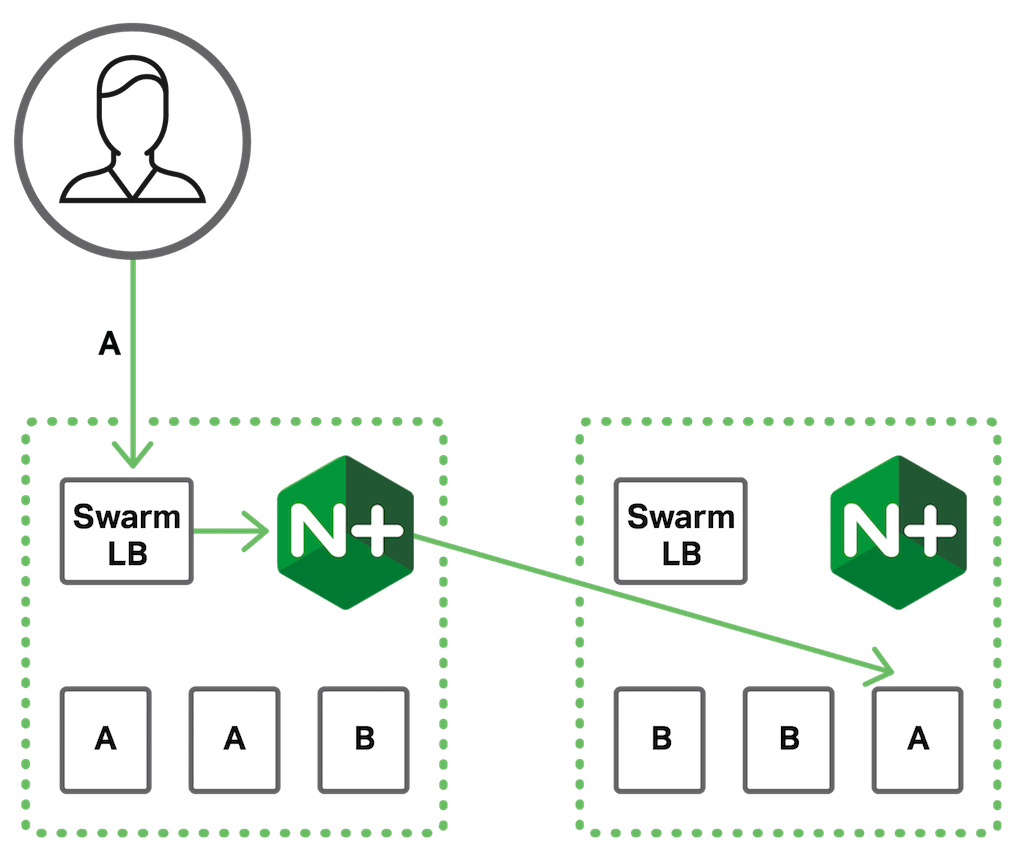
Load Balancing Containers With Docker Swarm And Nginx Or Nginx Plus
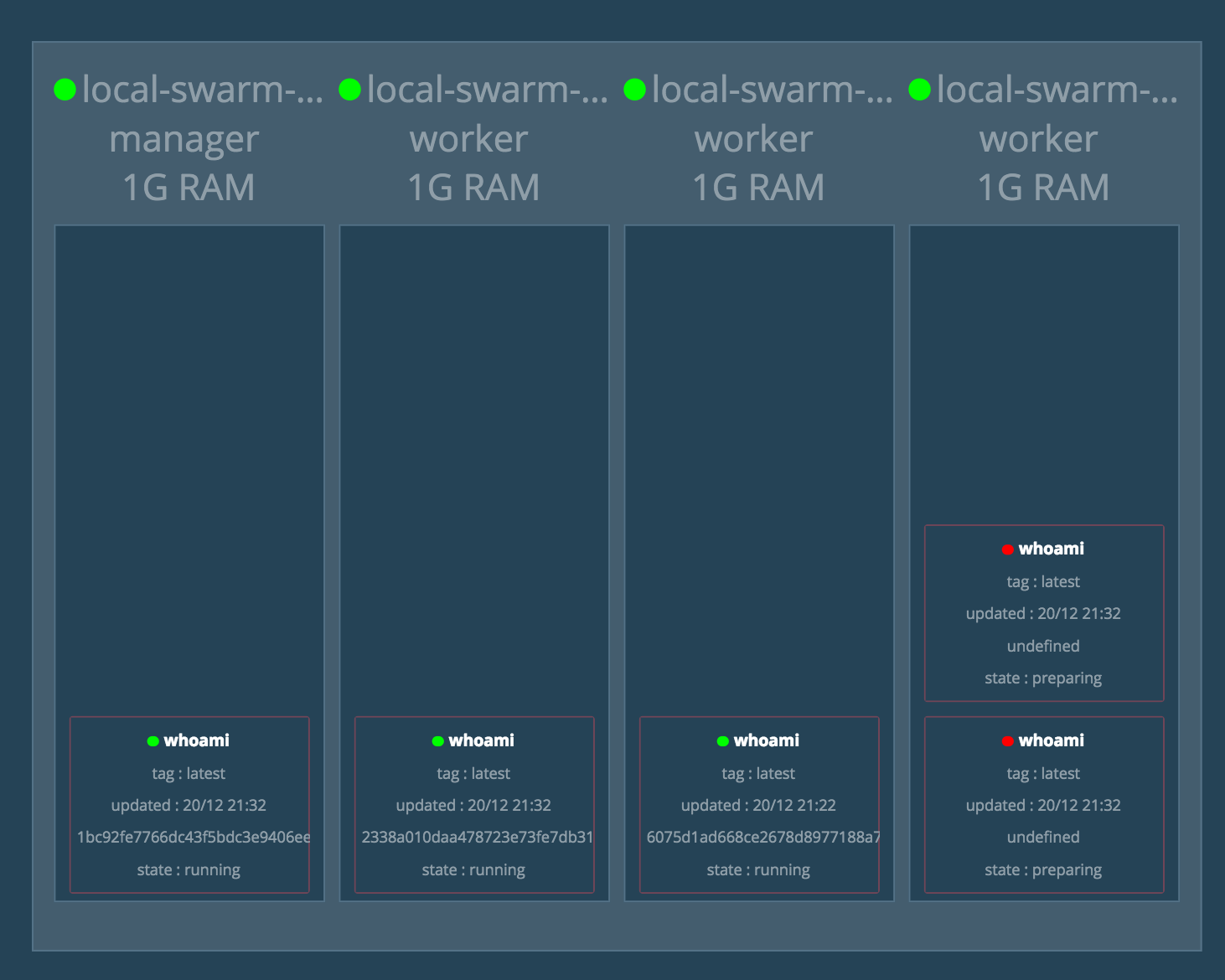
Docker Swarm With Load Balancing And Scaling Docker Kubernetes Lab 0 1 Documentation
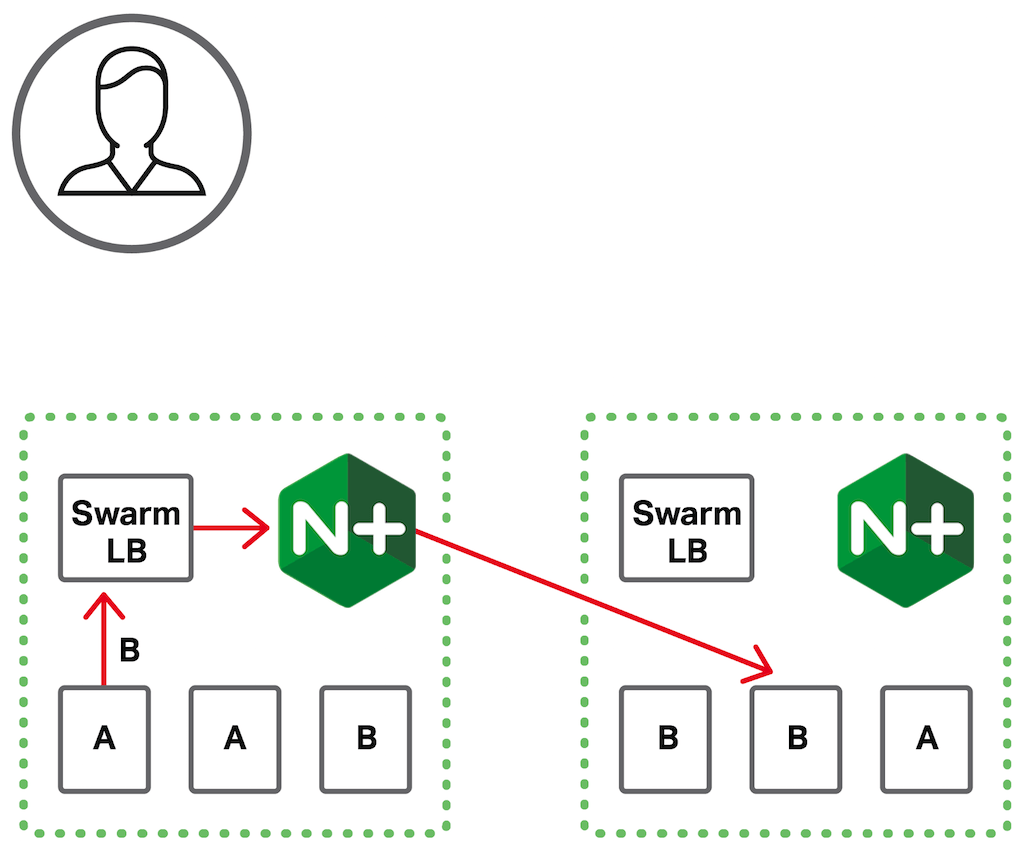
Load Balancing Containers With Docker Swarm And Nginx Or Nginx Plus

Docker Swarm Mode On Aws Stelligent
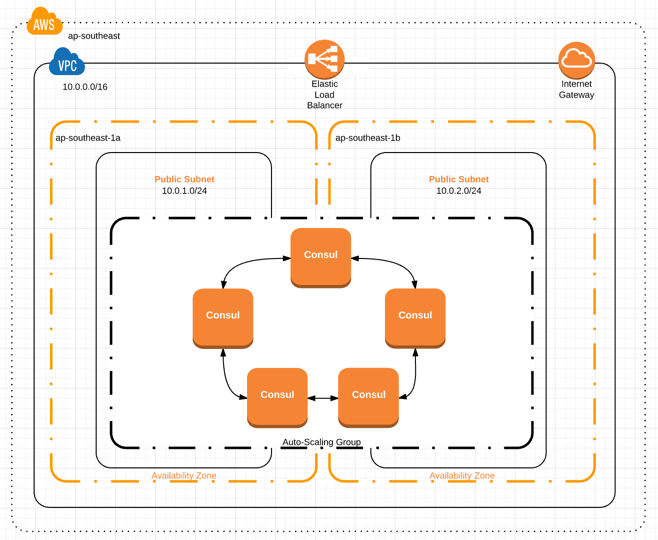
Creating A Resilient Consul Cluster For Docker Microservice Discovery With Terraform And Aws
How To Maintain Session Persistence Sticky Session In Docker Swarm Little Big Extra
Load Balancing Containers With Docker Swarm And Nginx Or Nginx Plus
Load Balancing Containers With Docker Swarm And Nginx Or Nginx Plus Dzone Devops
Github Adrianlois Docker Swarm Aws Asg Elb Implementacion De Docker Swarm En Amazon Web Services Usando Auto Scaling Groups Y Elastic Load Balancing
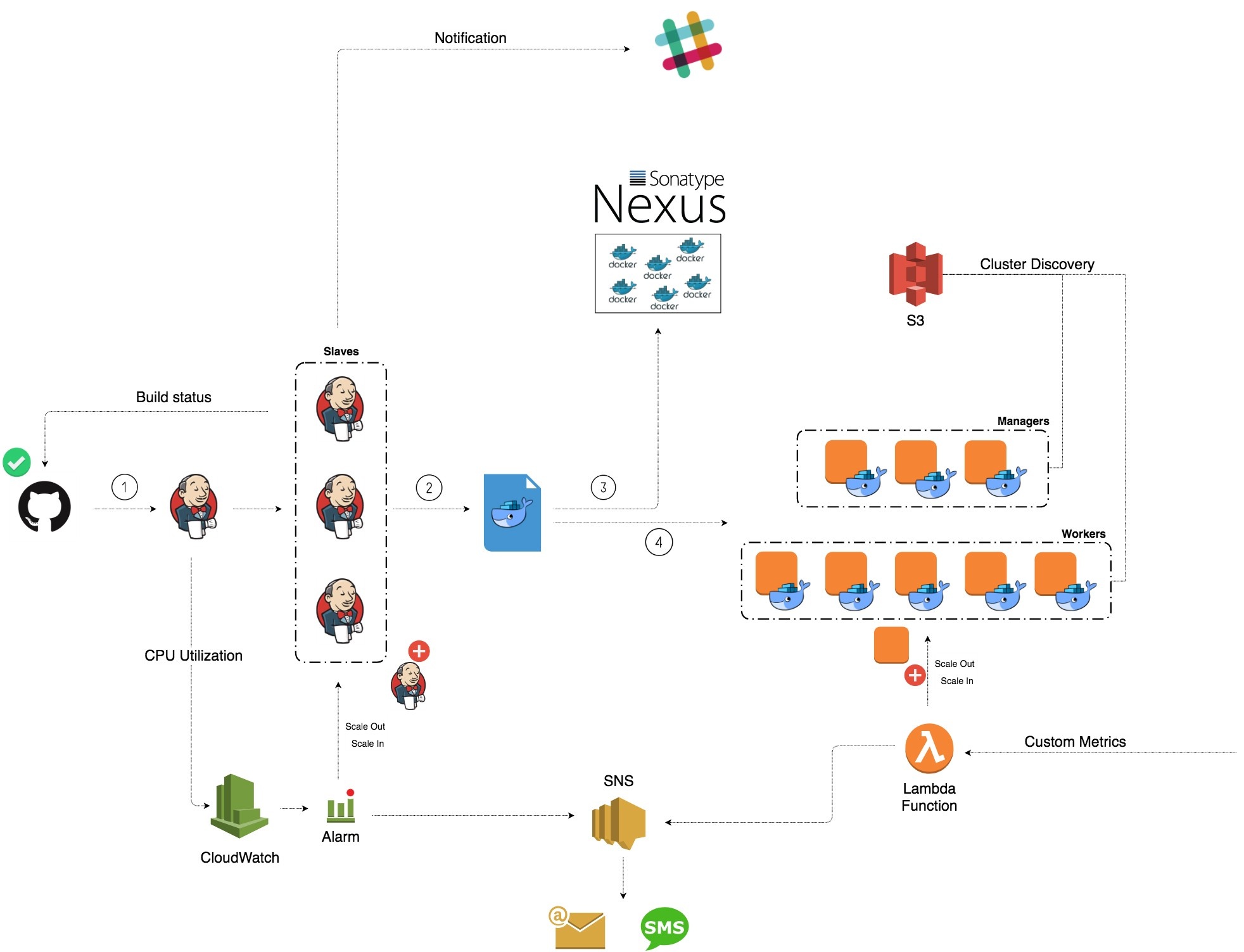
How To Deploy A Jenkins Cluster On Aws As Part Of A Fully Automate Ci Cd Platform
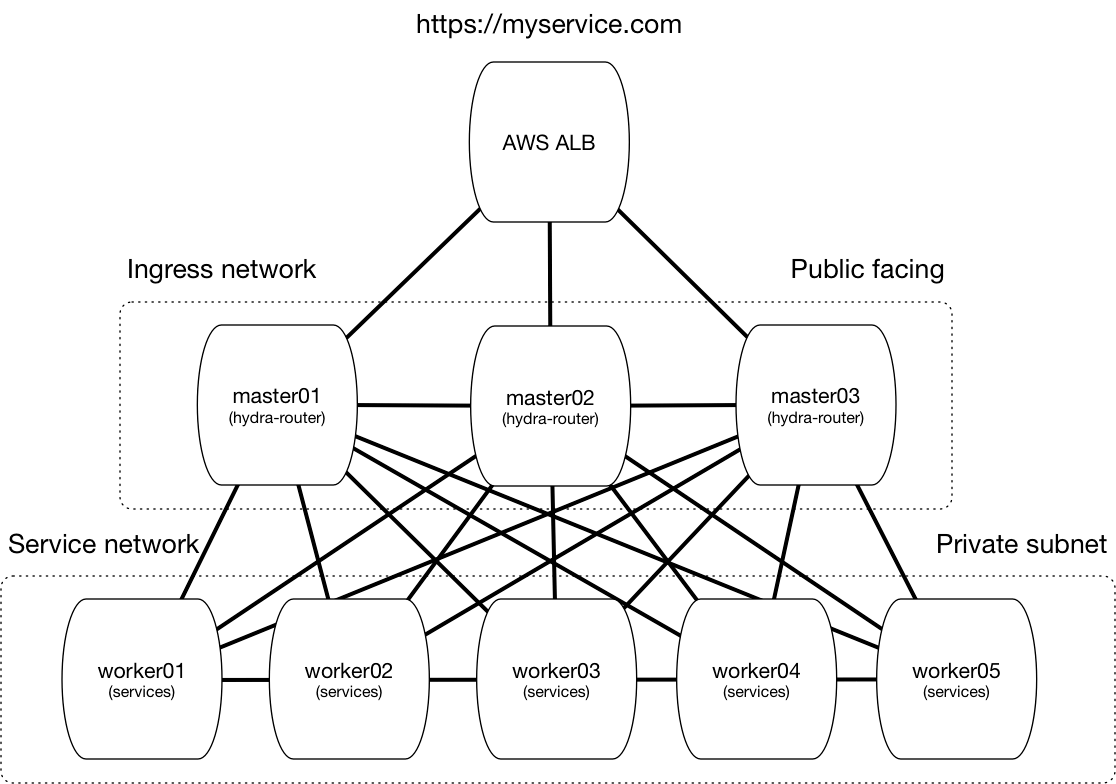
Using Docker Swarm For Deploying Node Js Microservices Risingstack
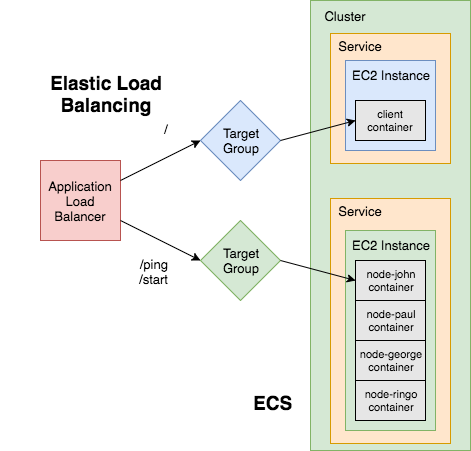
Docker On Aws From Containerization To Orchestration

Aws Quick Start For Docker Datacenter Ddc Aws Partner Network Apn Blog
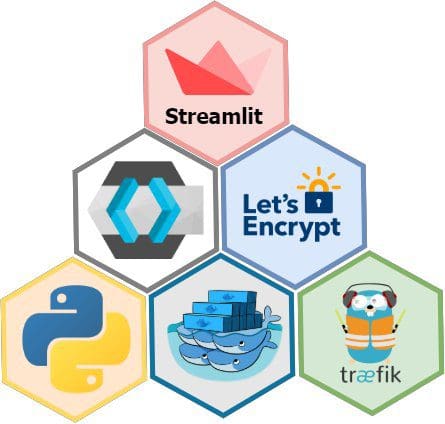
Deploying Secure And Scalable Streamlit Apps On Aws With Docker Swarm Traefik And Keycloak Kdnuggets
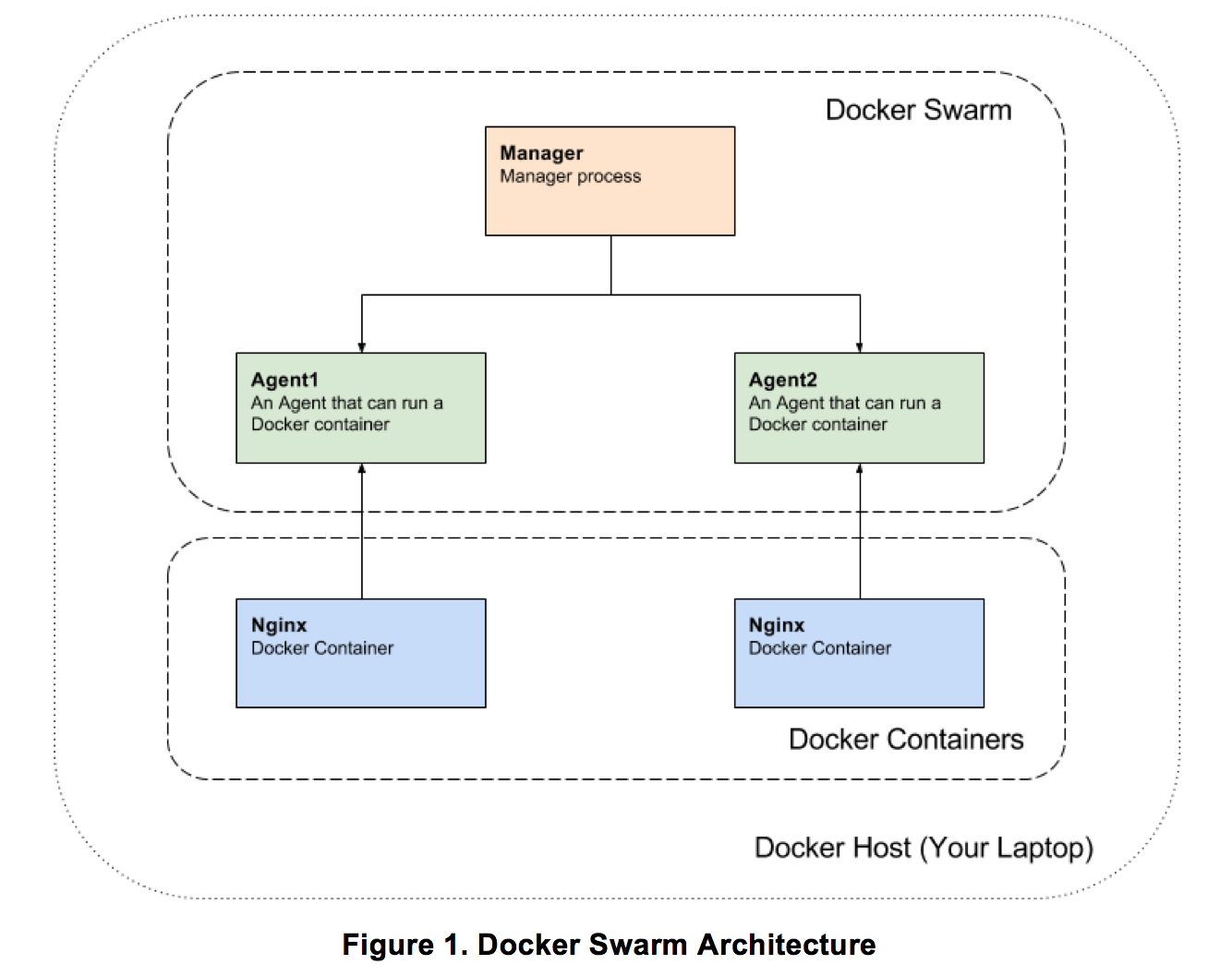
Getting Started With Docker Swarm Part 1
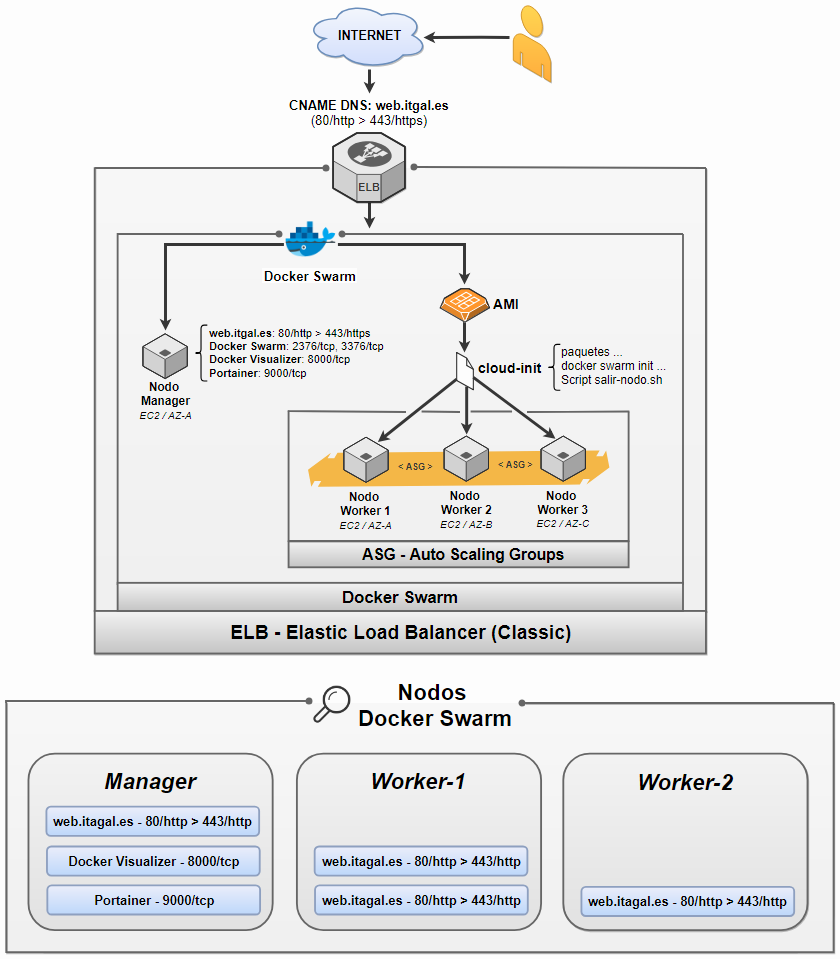
Github Adrianlois Docker Swarm Aws Asg Elb Implementacion De Docker Swarm En Amazon Web Services Usando Auto Scaling Groups Y Elastic Load Balancing
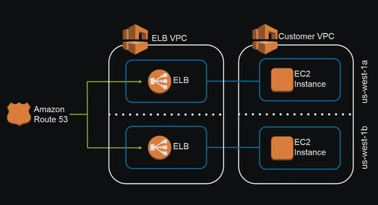
Aws Application Load Balancer Alb And Ecs With Flask App

Docker Setup Part 8 Glusterfs And Docker On Multiple Servers Frederik Banke

Load Balancing Containers With Docker Swarm And Nginx Or Nginx Plus

Unboxing The New Docker For Aws Beta

Simple Architecture For Docker Swarm And Traefik Footprints Bits Of Info
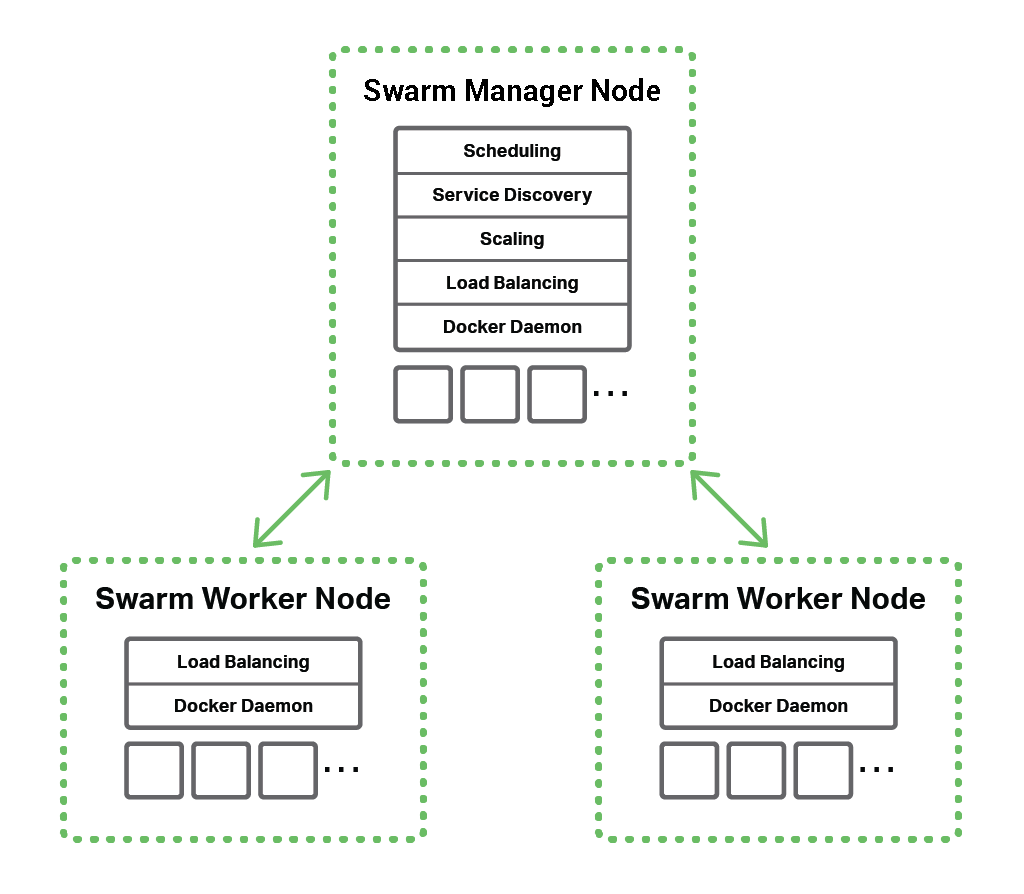
Load Balancing Containers With Docker Swarm And Nginx Or Nginx Plus

Association Game With Docker Swarm Kubernetes And Amazon Ecs Meirg
Q Tbn And9gcs Fybppx3rn9drv W Nxal9xjnw Oqhbmeg0ruhbajtdmtnc2pejhvicxzrmpnugmbejet6x6onm2fvby0wtcnbvgrgq Usqp Cau Ec
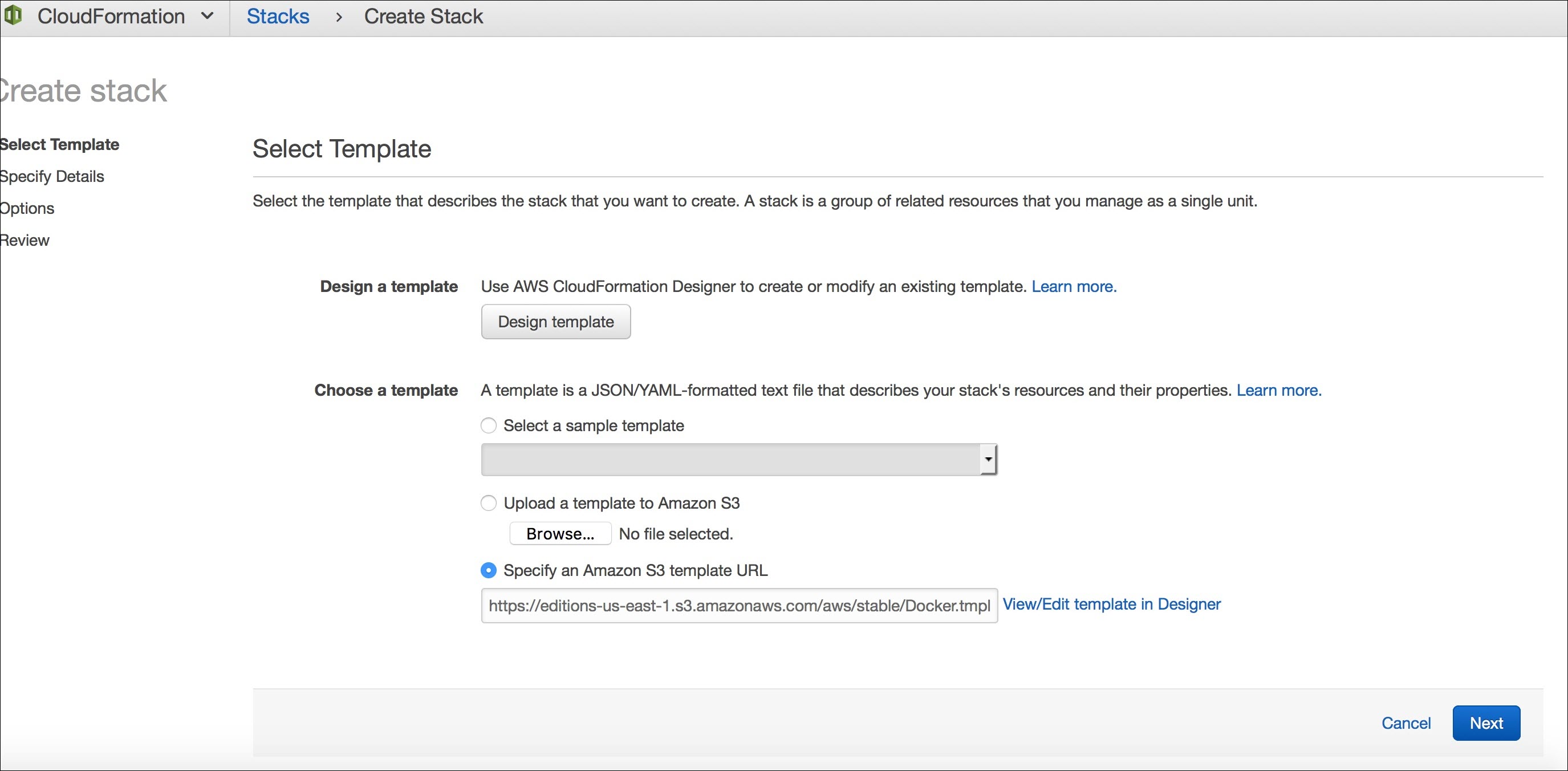
Creating A Swarm Cluster In Aws

Using Traefik As Your Load Balancer In Docker Swarm With Let S Encrypt
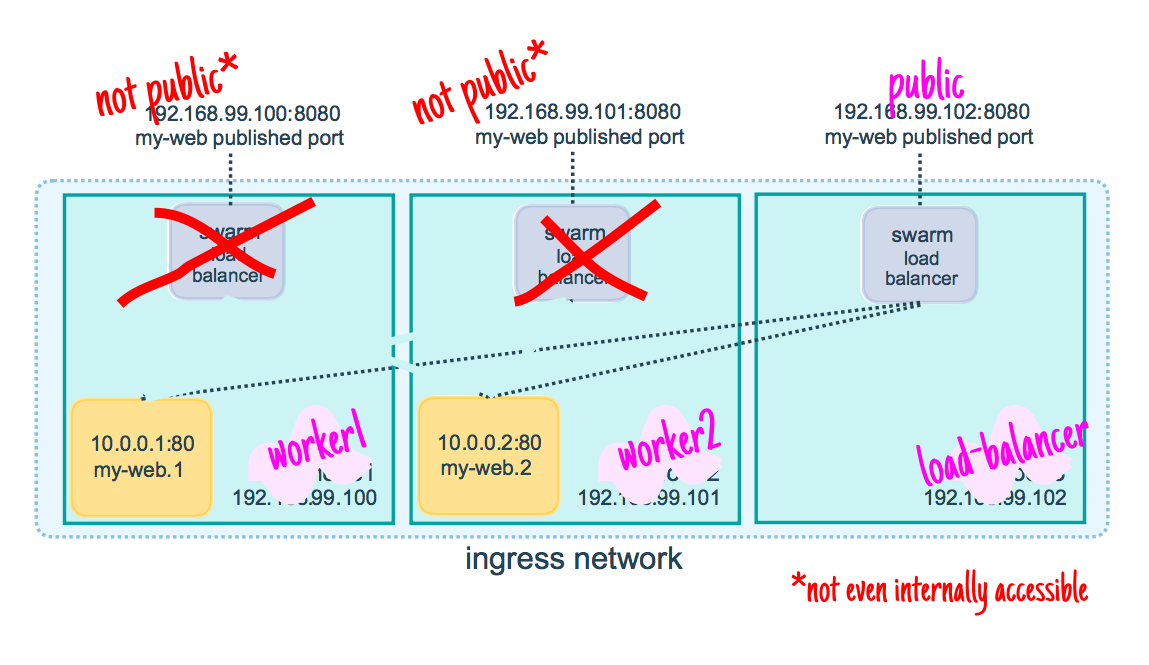
Blocking Ingress Traffic To Docker Swarm Worker Machines Opstips
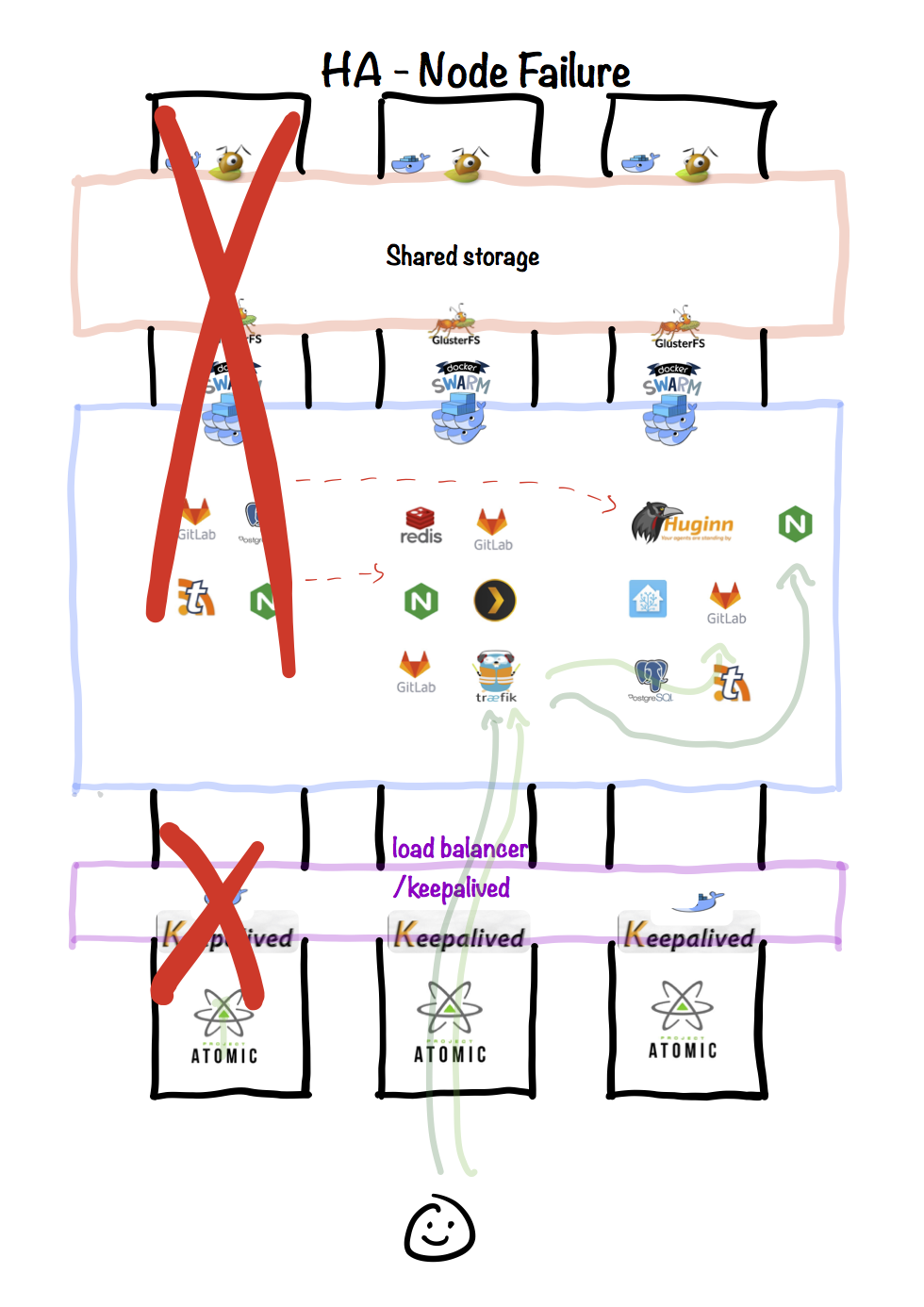
Design Funky Penguin S Geek Cookbook
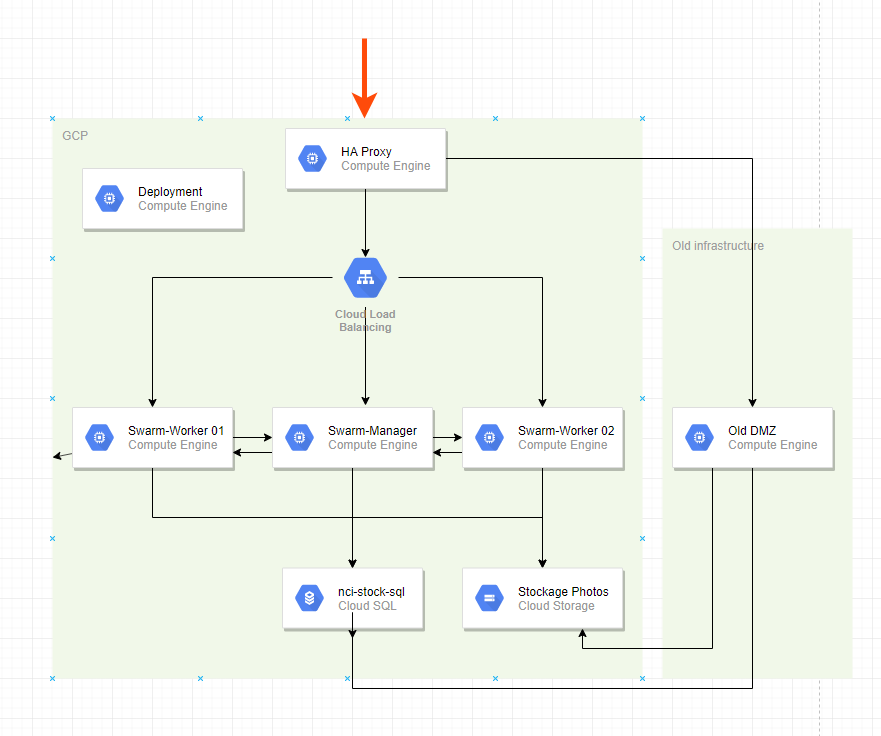
Docker Swarm Traefik Haproxy On Google Cloud Platform In Real Life Nicolas Paris
Netbears Blog Traefik Load Balancer For Ecs Services
Setup Docker Swarm On Aws Using Ansible Terraform Hacker Noon
Building A Global Scale Multi Tenant Cloud Platform On Aws And Docker
Use A Load Balancer

Creating A High Availability Docker Swarm On Amazon Web Services Caylent

Container Wars Kubernetes Vs Docker Swarm Vs Amazon Ecs Caylent
Deploy Applications On Amazon Ecs Using Docker Compose Containers

Docker Swarm Architecture
Docker Swarm Binary Maps

Get Started With Load Balancing Docker Swarm Mode Tutorial Upcloud
Creating An Ha Docker Swarm Over Aws

Docker On Aws From Containerization To Orchestration
With Docker Ee Traefikee Documentation
What S New In Docker 1 12 0 Load Balancing Feature
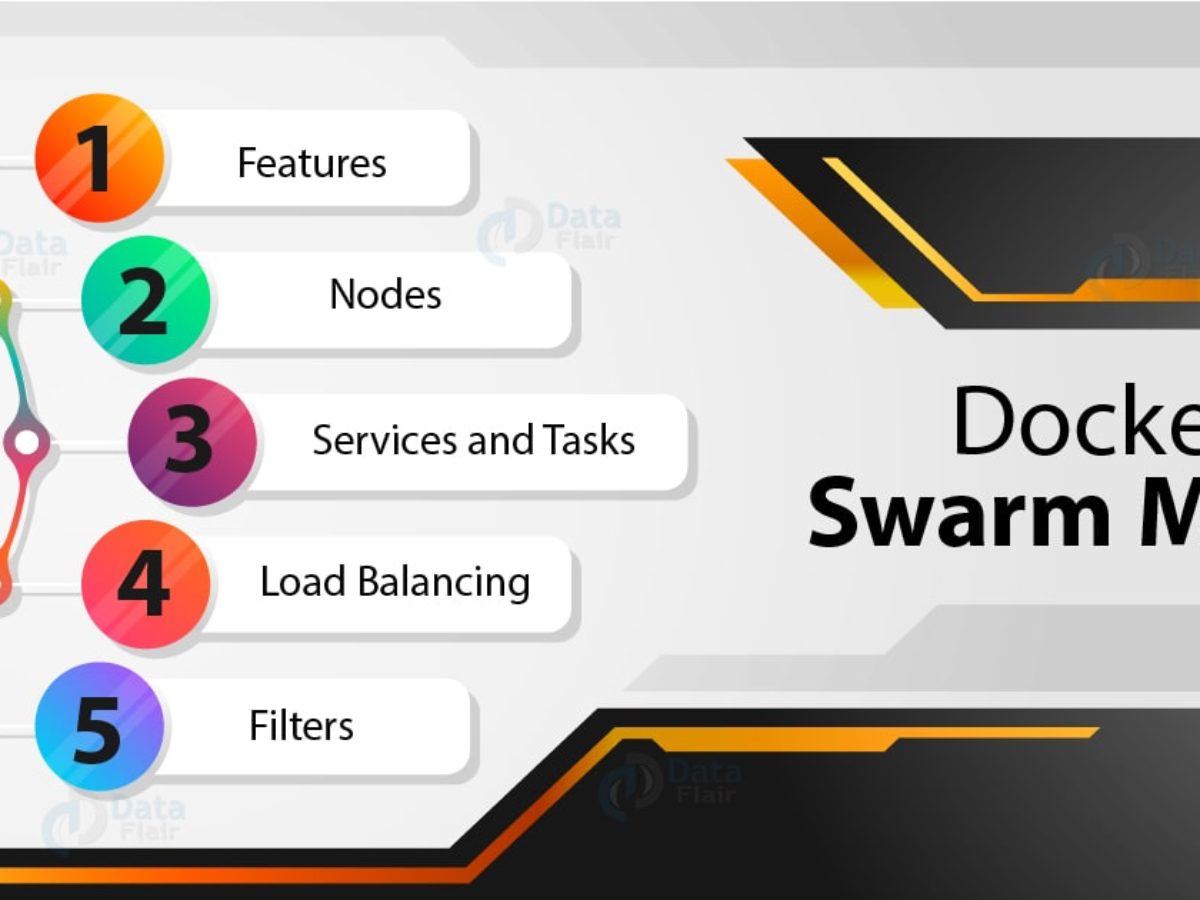
Docker Swarm Mode Features Nodes And Filters Dataflair

Docker Cloud S Swarm Mode Feature By Luc Juggery Lucjuggery Medium

Deploy The Application Docker Documentation

Docker Swarm Mode On Aws Stelligent


